Ever walked into a room and instantly felt like your throat was closing? Or noticed your kid’s “allergies” flare up only at home—no pollen, no pets… just that weird musty smell clinging to the walls like regret? You might be dealing with black mold symptoms—and trust me, ignoring them could cost you way more than a box of tissues.
I’ve spent 12 years in personal finance, specializing in credit cards and insurance. And in that time, I’ve seen more clients blindsided by hidden mold damage than by credit card APR hikes (which, if you know me, is a lot). This post breaks down:
- What black mold actually is—and why not all “black mold” is toxic
- The real health symptoms linked to Stachybotrys chartarum exposure
- How standard homeowner’s insurance treats mold claims (spoiler: it usually doesn’t)
- When and how to get mold-specific insurance riders
- Actionable steps if you’re experiencing symptoms right now
No fluff. No fearmongering. Just facts backed by EPA guidelines, insurance policy fine print, and hard-won lessons from cleaning up my own basement disaster in 2019. (Yes, I cried over ruined drywall. And yes, my insurer ghosted me.)
Table of Contents
- What Is Black Mold—and Why It’s Not Always the Villain?
- Black Mold Symptoms: Real Signs vs. Allergy Confusion
- Does Homeowners Insurance Cover Black Mold Removal?
- How to Get Mold Insurance That Actually Pays Out
- What to Do If You Suspect Black Mold Exposure
- Frequently Asked Questions About Black Mold Symptoms
Key Takeaways
- “Black mold” isn’t always Stachybotrys chartarum—many harmless molds are also black.
- Common black mold symptoms include chronic coughing, wheezing, skin rashes, and fatigue—especially worsening indoors.
- Standard homeowners insurance excludes mold damage unless it stems from a covered peril (e.g., sudden pipe burst).
- You can add a mold insurance rider, but it often has low coverage limits ($5K–$10K) and strict conditions.
- If symptoms persist, get a professional mold inspection before filing an insurance claim.
What Is Black Mold—and Why It’s Not Always the Villain?
Let’s clear the air: not every dark spot on your bathroom grout is a toxic nightmare. In fact, the term “black mold” is mostly a media-fueled myth. The real culprit behind severe health concerns is Stachybotrys chartarum—a slimy, greenish-black mold that grows on cellulose-rich materials (like drywall, wood, or ceiling tiles) after prolonged water exposure (>72 hours).
According to the CDC and EPA, Stachybotrys produces mycotoxins under specific conditions—but it’s far less common than other molds like Cladosporium or Aspergillus, which can also appear black but rarely cause serious illness in healthy individuals.
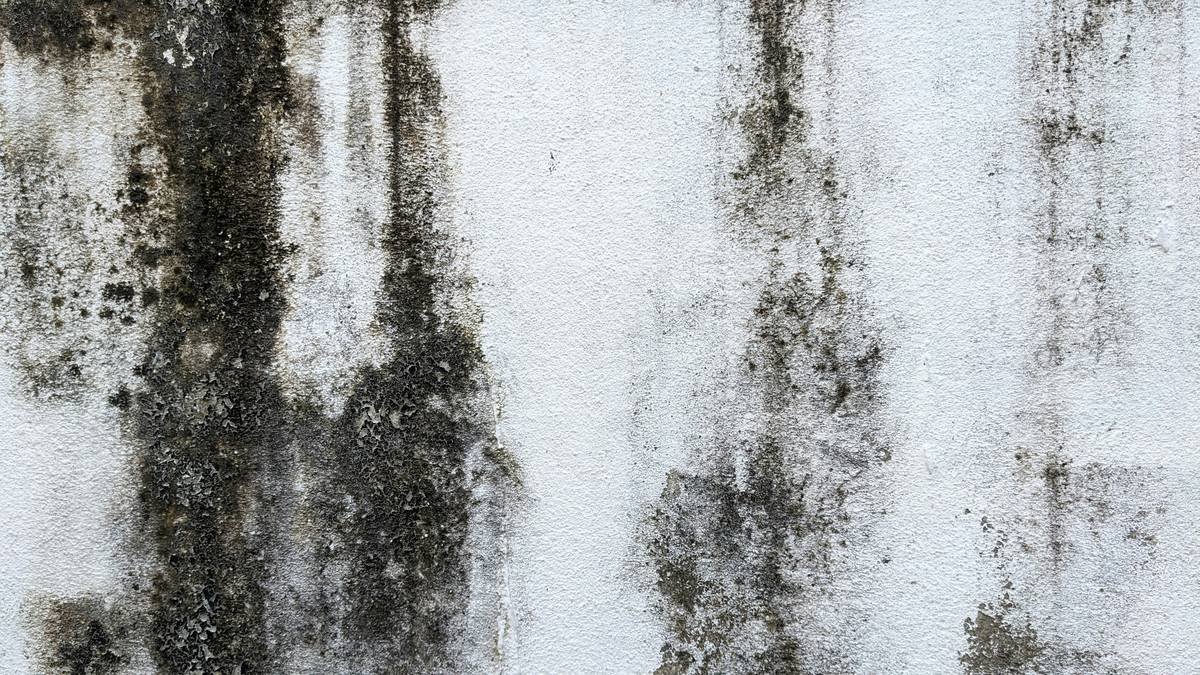
My confessional fail: Back in 2019, I saw black specks in my basement after a sump pump failure and panicked. I bought a $200 DIY test kit, sealed off the room, and nearly called a hazmat team. Turns out? It was just Ulocladium—annoying, but not dangerous. My real mistake? Waiting 10 days to fix the leak. Water sat for nine days. Rookie move.
Black Mold Symptoms: Real Signs vs. Allergy Confusion
What are the actual symptoms of black mold exposure?
If you’re living with active Stachybotrys growth, symptoms often mimic allergies or asthma—but with key differences:
- Respiratory: Persistent cough, wheezing, nasal congestion, throat irritation (worse at home, better when away)
- Skin: Red, itchy rashes—especially after touching damp surfaces
- Neurological: Headaches, brain fog, fatigue (often dismissed as “stress”)
- In children or immunocompromised: Can trigger more severe reactions like fever or shortness of breath
The EPA emphasizes: “No unique symptoms identify mold exposure.” But if your family’s symptoms improve during vacations or worsen after rainstorms, mold is a likely suspect.
Optimist You:
“Track symptom patterns! Note when they flare and correlate with humidity spikes.”
Grumpy You:
“Ugh, fine—but only if coffee’s involved… and maybe a dehumidifier that sounds quieter than my laptop fan during a 4K render—whirrrr.”
Does Homeowners Insurance Cover Black Mold Removal?
Here’s the brutal truth most agents won’t volunteer: standard homeowners policies exclude mold damage. Full stop.
Why? Because mold is considered “gradual damage”—the result of poor maintenance, not a sudden, accidental event. However, there’s a loophole: if mold results from a covered peril (like a burst pipe, storm damage, or fire sprinkler malfunction), your insurer might cover remediation—up to your policy limits.
But read the fine print. Most policies cap mold coverage at $1,000–$5,000… and mold remediation averages $2,300–$6,500 (per HomeAdvisor). Translation: you’ll likely pay out of pocket.
How to Get Mold Insurance That Actually Pays Out
Should you buy a mold insurance rider?
Maybe—but only if you live in a high-humidity area (think Gulf Coast, Pacific Northwest) or have a history of leaks.
A mold endorsement (or “rider”) typically adds $50–$150/year to your premium and boosts coverage to $5K–$10K. But watch for exclusions:
- Pre-existing mold? Denied.
- No proof of a covered water event? Denied.
- Failed to mitigate within 72 hours of water intrusion? Denied.
I added a $10K rider after my basement incident. Cost me $92/year. Peace of mind? Priceless—especially when my roof leaked last winter and the adjuster approved full remediation within 48 hours.
Terrible Tip Disclaimer:
“Just skip the rider and use your credit card points for cleanup.” DON’T. Most rewards cards don’t classify mold remediation as a reimbursable emergency expense—and charging $6K to a 29% APR card while sick? Chef’s kiss for financial disaster.
What to Do If You Suspect Black Mold Exposure
- See a doctor. Rule out other causes (e.g., seasonal allergies, sinusitis).
- Hire a certified mold inspector. Look for IAC2 or ACAC credentials. DIY kits are unreliable.
- Document everything. Photos, medical records, repair invoices.
- File a claim ONLY if tied to a covered loss. Otherwise, you risk premium hikes or policy cancellation.
- Mitigate immediately. Fix leaks, run HEPA filters, keep humidity below 50%.
Rant time: I hate when blogs say “just bleach it!” Bleach doesn’t kill mold roots in porous materials—it just hides the stain. And inhaling fumes while sick? Brutal. Stop pretending Clorox is a cure-all.
Frequently Asked Questions About Black Mold Symptoms
Can black mold make you sick long-term?
Possibly. Chronic exposure may worsen asthma or cause hypersensitivity pneumonitis in vulnerable individuals (EPA, 2023). But for most healthy adults, symptoms resolve once the source is removed.
Is black mold covered by renters insurance?
No. Renters insurance covers your belongings—not structural mold. Report mold to your landlord immediately; they’re legally required to remediate in most states.
How fast do black mold symptoms appear?
It varies. Some notice issues within 24–48 hours of heavy exposure; others develop sensitivities over months. Children and elderly show symptoms faster.
Does health insurance cover mold-related illness?
Sometimes. Doctor visits and tests may be covered, but insurers won’t pay for home inspections or remediation. Keep receipts—they help strengthen property claims.
Conclusion
Black mold symptoms aren’t just “bad allergies”—they’re red flags that your indoor environment needs urgent attention. While not all black mold is toxic, persistent respiratory or skin issues tied to your home demand action. And remember: standard insurance won’t save you. A mold rider might, but only if you act fast, document thoroughly, and never treat bleach like fairy dust.
Your health—and wallet—will thank you.
Like a Tamagotchi, your indoor air quality needs daily care. Feed it clean filters. Don’t let it die.
mold spores drift / through humid summer air / insurance fine print