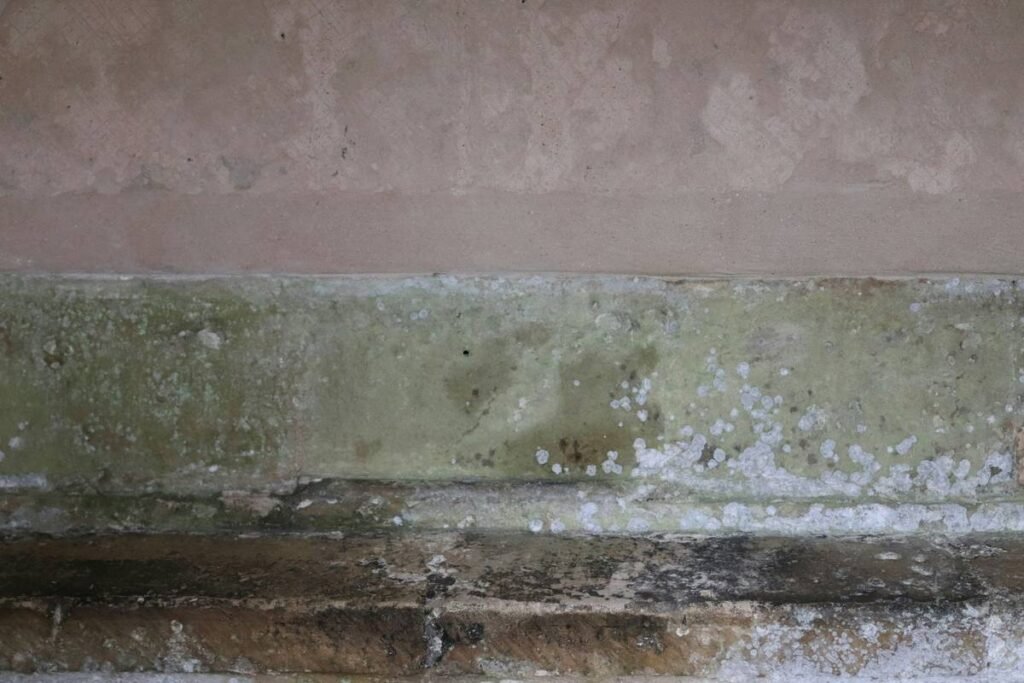
Ever opened a cabinet under your sink and found fuzzy green alien colonies growing on your drywall? Yeah. And then came the gut punch: “Wait… how much is this gonna cost to fix?”
If you’ve Googled “mold remediation cost” at 2 a.m. while wearing rubber gloves and holding a bottle of vinegar like it’s holy water—you’re not alone. But here’s the truth most sites won’t tell you: your homeowner’s insurance likely won’t pay for it. And if you’re counting on a credit card to float the bill, you could be digging a financial crater.
In this post, you’ll learn:
- Why standard home insurance almost never covers mold damage
- Real-world mold remediation costs (with data from certified contractors)
- When—rarely—insurance might cover it
- Smarter financial strategies (including specialty insurance riders)
- How to avoid the #1 mistake that voids potential coverage
Table of Contents
- Why Mold Remediation Costs Keep Climbing
- Step-by-Step: How to Handle Mold Financially
- 5 Best Practices to Reduce Costs (and Avoid Scams)
- Real Case Study: My Own Basement Nightmare
- FAQs About Mold Remediation Cost & Insurance
Key Takeaways
- Average mold remediation cost ranges from $500 to $6,000, but severe cases can exceed $30,000.
- Homeowner’s insurance typically excludes mold unless it stems directly from a covered peril (like a burst pipe).
- Mold-only policies or riders exist but are rare, expensive, and often capped at $10K–$50K.
- DIY removal is risky—and can increase costs if done wrong (yes, I learned this the hard way).
- Document everything: photos, dates, contractor bids. This is your lifeline if you dispute a claim.
Why Does Mold Remediation Cost So Much—and Why Insurance Won’t Help?
Let’s crush a myth right now: mold isn’t just “cleaning.” It’s containment, air filtration, demolition, antimicrobial treatment, rebuilding, and third-party clearance testing. Skip any step, and you’re breathing spores for months—or risking structural rot.
According to the U.S. Environmental Protection Agency (EPA), remediation for mold covering less than 10 square feet might cost under $500. But once it spreads into walls, HVAC, or subfloors? You’re looking at $2,000–$6,000 for an average room. Full-house infestations? Easily $15,000–$30,000+.
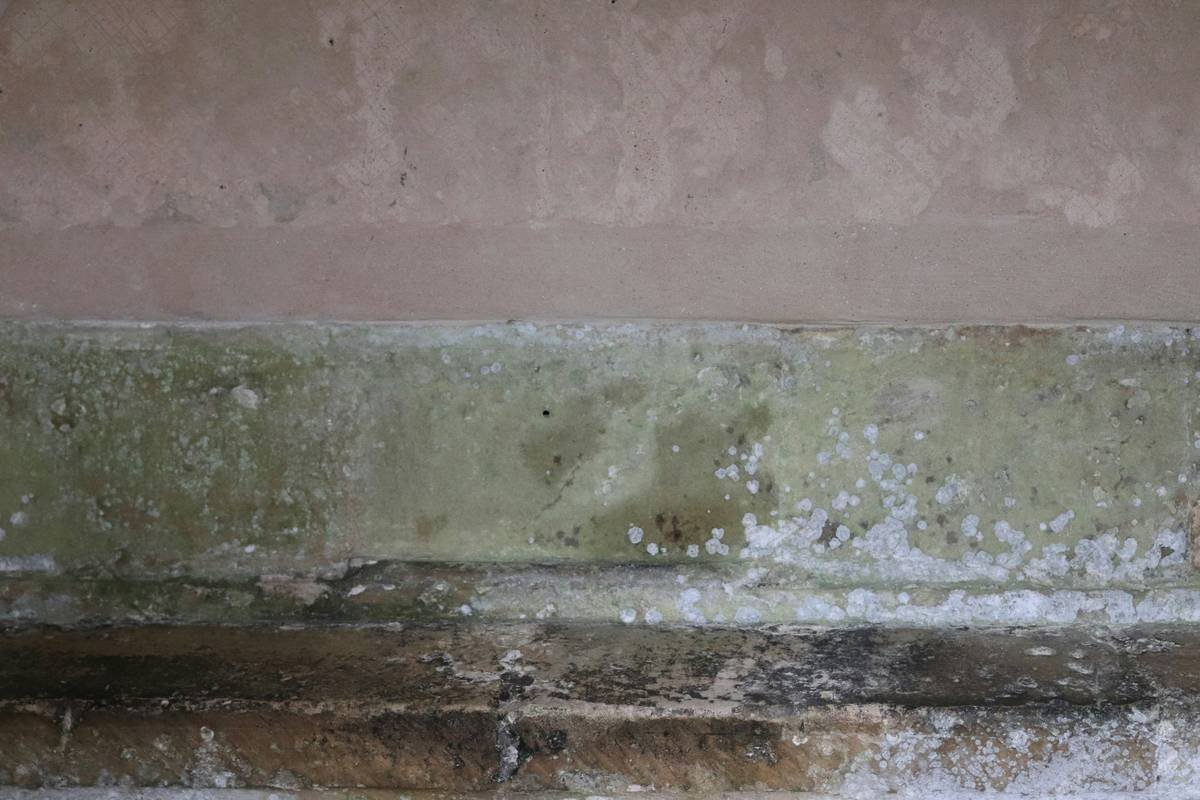
Now, about insurance. Standard HO-3 policies (the most common U.S. homeowner’s policy) exclude mold damage as a “maintenance issue.” Why? Because insurers argue mold results from prolonged moisture—something you should’ve prevented. The fine print usually says something like: “We do not cover loss caused by fungus… unless resulting from a specified covered peril.”
Translation: If your roof leaks due to a hurricane (covered), and mold grows within 72 hours, you might get partial reimbursement. But if your AC drain pan overflowed because you forgot to clean the filter? Tough luck.
Step-by-Step: How to Handle Mold Financially (Without Going Broke)
1. Confirm It’s Actually Mold (Before Spending a Dime)
Not all black spots are toxic mold. Get an air quality test ($150–$300). I once panicked over efflorescence (harmless mineral deposits)—cost me zero. Better safe than sorry.
2. Check Your Policy’s “Additional Coverage” Section
Search for “fungus,” “mold,” or “microbial.” Some newer policies include limited coverage (e.g., $5,000) if tied to a covered water event. But act fast—most require reporting within 24–72 hours.
3. Document Everything Like a Crime Scene
Take timestamped photos. Save repair receipts. Get three written estimates. If you file a claim, this paper trail is your only defense against denial.
4. Explore Financing—But Avoid High-Interest Traps
Credit cards with 0% intro APR (like Chase Freedom Unlimited® or Citi Custom Cash®) can buy time. Never use payday loans or max out cards with 24%+ APR. Consider a HELOC if equity allows—but only as last resort.
5. Prevent Recurrence (or You’ll Pay Twice)
Install dehumidifiers (DOE recommends 30–50% humidity). Fix leaks immediately. Mold loves procrastination.
5 Best Practices to Reduce Mold Remediation Costs (and Avoid Scams)
- Get IICRC-Certified Contractors Only: The Institute of Inspection, Cleaning and Restoration Certification ensures proper protocols. Verify at iicrc.org.
- Negotiate Payment Plans: Reputable firms often offer financing—ask before signing.
- Don’t DIY Large Jobs: Disturbing hidden mold spreads spores. OSHA warns against untrained removal in areas >10 sq ft.
- Beware “Free Inspections” That Lead to High-Pressure Sales: If they demand full payment upfront? Run.
- Add a Mold Rider Early: Some insurers (like Nationwide or State Farm) sell endorsements for $50–$200/year with $10K–$50K limits. Worth it in humid climates.
Real Case Study: My Own Basement Nightmare (And the $8,200 Lesson)
Last summer, after record rains in Atlanta, my basement flooded. I mopped it up, figured I was good. Three weeks later: musty smell, warped baseboards, then—black splotches behind the furnace.
I called my insurer. They denied coverage, citing “gradual seepage” (not sudden pipe burst). Out-of-pocket cost? $8,200 after getting quotes from three contractors. I used a 15-month 0% APR card (thank you, Citi), paid it off before interest kicked in.
The kicker? A $150 sump pump backup would’ve prevented it. Now I have one—and a mold rider on my policy. Moral: Prevention is cheaper than remediation, always.
Grumpy Optimist Dialogue
Optimist You: “See? You handled it!”
Grumpy You: “Ugh, fine—but only if coffee’s involved… and a sump pump shaped like a lifesaver.”
FAQs About Mold Remediation Cost & Insurance
Does homeowners insurance ever cover mold?
Rarely. Only if mold results directly from a covered peril (e.g., fire sprinkler activation, burst pipe) and you report it immediately. Most policies exclude “gradual” moisture issues.
What’s the average mold remediation cost for a bathroom?
$500–$2,500. Small surface mold on grout may cost $300; if it’s behind tiles or in walls, expect $1,500+ for demo and rebuild.
Can I use my health insurance for mold exposure?
No. Health insurance doesn’t cover property damage. If you develop respiratory issues, medical bills may be covered—but not the source removal.
Is there such a thing as “mold insurance”?
Yes, but it’s usually a rider (endorsement) on your existing policy, not standalone. Availability varies by state and insurer. Expect exclusions and low caps.
Will credit cards help with mold costs?
Temporarily, yes—if you have good credit and pick a 0% intro APR card. But don’t carry a balance past the promo period; rates jump to 20%+.
Conclusion
Mold remediation cost isn’t just a number—it’s a financial stress test. While insurance rarely saves the day, knowing your policy’s limits, acting fast, and using smart financing can keep you from drowning in debt. Remember: document everything, hire certified pros, and for heaven’s sake—fix that leaky faucet before it becomes a science experiment.
Because at the end of the day, peace of mind shouldn’t come with a six-figure price tag.
Like a Tamagotchi, your home needs daily care… or it dies tragically in week two.