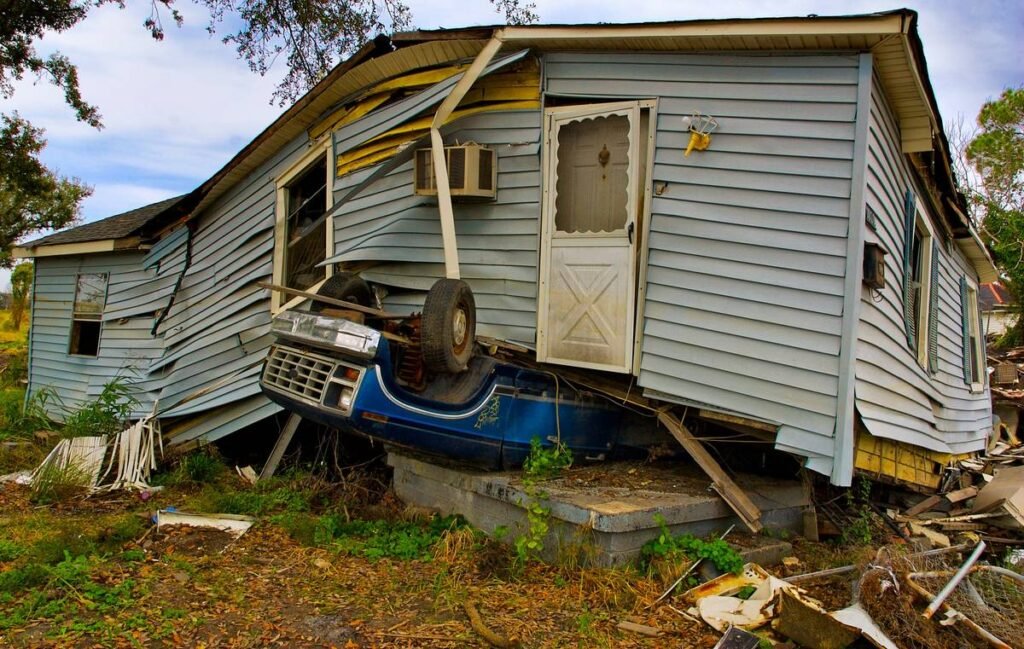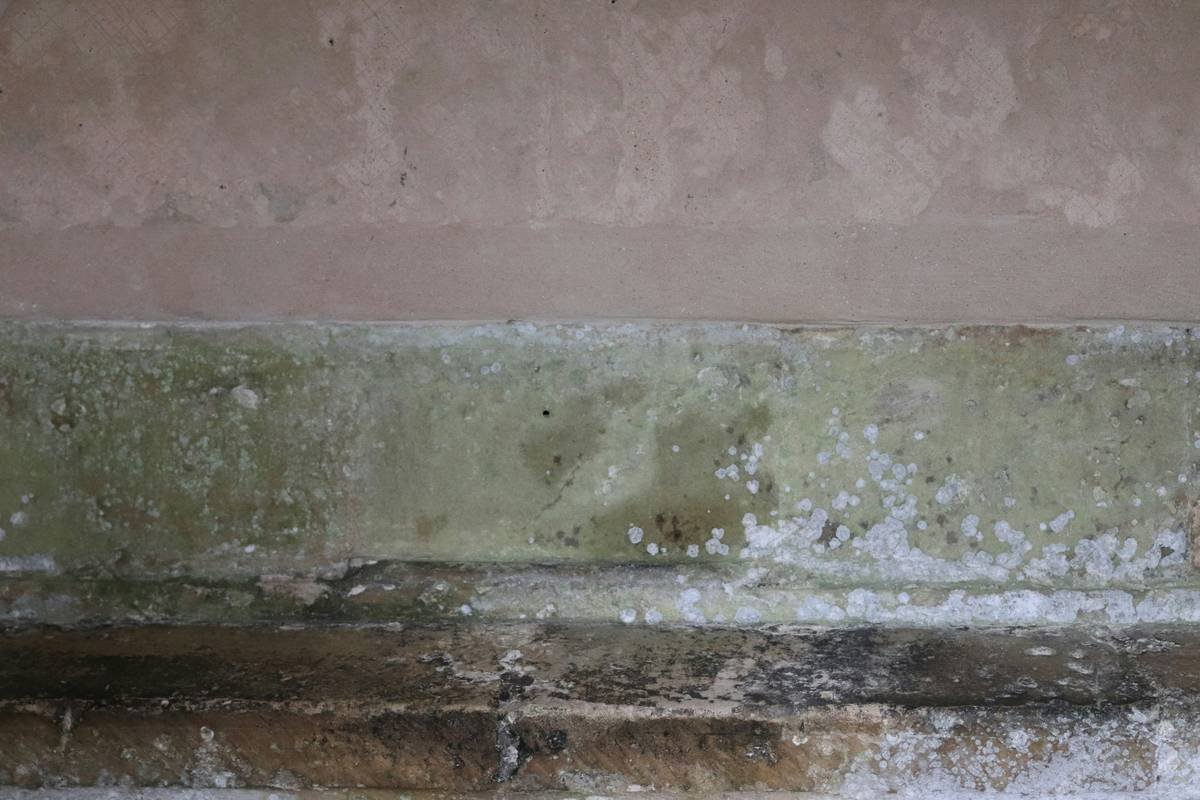
Ever walked into your basement and caught that damp, earthy stink—like wet cardboard left in a gym locker for a month—and thought, “Oh crap, is that… mold?” You’re not alone. According to the EPA, nearly 50% of U.S. homes have some level of moisture-related issues that can lead to mold growth. And here’s the gut punch: the average mold removal costs $2,325—but can skyrocket past $6,000 if left unchecked.
If you’re holding your breath hoping your homeowner’s insurance will bail you out, stop. Most standard policies exclude mold unless it stems from a covered peril like a burst pipe. That’s where understanding mold insurance—and how credit cards can help manage unexpected expenses—becomes critical.
In this post, you’ll learn:
- Why mold removal costs vary so wildly (and what hidden factors inflate your bill)
- When (and if) your insurance actually covers mold remediation
- How to use rewards credit cards strategically to offset out-of-pocket costs
- Real-life case studies showing total cost breakdowns—and how one homeowner saved $1,800 with smart planning
Table of Contents
- Why Do Mold Removal Costs Vary So Much?
- Step-by-Step Guide to Managing Mold Removal Costs Without Losing Your Shirt
- Best Practices for Minimizing Out-of-Pocket Expenses
- Real Case Studies: From $800 Fixes to $12K Disasters
- Mold Removal FAQs: What Homeowners Actually Ask
Key Takeaways
- Average mold removal costs range from $500 (small surface clean) to $30,000+ (structural demolition).
- Standard homeowners insurance rarely covers mold—unless caused by a sudden, accidental water event (e.g., pipe burst).
- Mold insurance riders exist but require proactive enrollment; they’re not retroactive.
- Credit cards with 0% intro APR or high cash-back categories (like home improvement) can ease short-term financial strain.
- DIY mold removal is dangerous beyond 10 sq. ft.—EPA guidelines warn against amateur handling due to health risks.
Why Do Mold Removal Costs Vary So Much?
Mold isn’t just “black spots on drywall.” Species like Stachybotrys chartarum (toxic black mold) demand hazmat-level containment, while Cladosporium might only need HEPA vacuuming. But cost isn’t just about the fungus—it’s about access, square footage, and whether your HVAC system’s infected (spoiler: that doubles the price).
I learned this the hard way during my first year as a property manager in Houston. We had a leak behind a tenant’s bathroom vanity. By the time we noticed, mold had colonized the subfloor, wall studs, and the ductwork. The initial quote? $1,200. Final bill? $9,400. Why? Because the contractor had to erect plastic containment barriers, run negative air machines for 72 hours, and replace insulation laced with spores. Lesson burned into my brain: hidden spread = hidden costs.

According to HomeAdvisor’s 2023 national data, key cost drivers include:
- Location: Attics and crawl spaces cost more due to access difficulty.
- Square footage: Every additional 10 sq. ft. adds ~$200–$500.
- Containment: Required for anything over 10 sq. ft. (per EPA guidelines)—adds $500–$2,000.
- Labor vs. materials: Labor typically accounts for 60–70% of the total.
Step-by-Step Guide to Managing Mold Removal Costs Without Losing Your Shirt
Step 1: Confirm It’s Mold (And Not Mildew)
Grab a cotton swab dipped in bleach. If the spot lightens in 1–2 minutes, it’s likely mildew (surface-level, harmless). If it stays dark? Probably mold. But don’t rely on DIY tests alone—call a certified inspector (ACAC-certified) for accurate species identification. Many offer free initial assessments.
Step 2: Document Everything for Insurance
Take timestamped photos of the source (e.g., cracked roof tile, leaking dishwasher) and all affected areas. Save repair receipts—even for temporary fixes like a tarp. Why? Insurers deny 80% of mold claims due to “gradual damage” exclusions. Prove it was sudden and accidental.
Step 3: Check Your Policy’s Fine Print
Look for “fungi, wet rot, dry rot, and bacteria exclusion.” If present (it almost always is), ask about adding a mold endorsement. These typically cost $50–$250/year and cover up to $5,000–$10,000 in remediation. Note: You can’t add this after discovering mold—that’s like buying flood insurance mid-hurricane.
Step 4: Leverage Credit Cards Strategically
Got a card with 0% intro APR for 18 months? Use it for the deductible or uncovered costs. Better yet, if you have a card like the Home Depot® Credit Card or Citi® Double Cash (which offers 2% back on everything), you earn rewards while paying down the balance. Just never carry a balance past the intro period—those 26%+ APRs will erase any savings.
Best Practices for Minimizing Out-of-Pocket Expenses
- Act within 24–48 hours: Mold spreads rapidly. Early intervention slashes costs by up to 70%.
- Get 3+ quotes: Prices vary wildly. I’ve seen bids differ by $4,000 for identical jobs. Check licenses via your state’s contractor board.
- Negotiate payment terms: Reputable firms often offer installment plans—no credit check needed.
- Avoid “terrible tip” territory: Never use bleach on porous surfaces (wood, drywall). It pushes mold deeper and releases more spores. The CDC explicitly warns against this.
- Prevent recurrence: Install a dehumidifier (ideal humidity: 30–50%) and fix leaks immediately. Prevention costs pennies compared to remediation.
Real Case Studies: From $800 Fixes to $12K Disasters
Case 1: The “Tiny” Bathroom Leak (Seattle, WA)
A condo owner ignored a slow leak under her sink for 3 months. Result: Mold behind cabinets + floor joists. Cost breakdown:
– Inspection: $300
– Remediation (25 sq. ft.): $1,800
– Insurance payout: $0 (excluded as “gradual damage”)
Total out-of-pocket: $2,100
Win: Used Chase Freedom Unlimited® (5% back on home improvement Q4 2023) to recoup $105 in cash back.
Case 2: Storm Damage Coverage Win (Austin, TX)
After a hurricane, wind-driven rain soaked attic insulation. Homeowner filed a claim within 24 hours with photos + contractor report linking mold to storm.
– Total remediation: $7,200
– Policy included $10,000 fungi endorsement
Insurance covered 100%
Lesson: Timing + documentation = approval.
Mold Removal FAQs: What Homeowners Actually Ask
Does homeowners insurance cover mold from a leaking roof?
Only if the leak was caused by a sudden, covered peril like hail or fallen tree limbs. Slow leaks from aging roofs? Excluded.
Can I remove mold myself to save money?
For areas under 10 sq. ft., EPA says yes—if you wear an N95 mask, gloves, and use detergent (not bleach). Beyond that? Hire pros. Disturbing large colonies releases airborne spores linked to respiratory issues (per CDC).
What’s the cheapest mold removal method?
Vinegar or baking soda solutions work for surface mildew—but won’t kill roots in drywall. Professional dry fogging (non-invasive) starts at $500 but isn’t always effective for severe cases. There’s no true “cheap” fix for structural mold.
Do credit cards offer purchase protection for mold-related repairs?
Some premium cards (Amex Platinum, Chase Sapphire Reserve) include extended warranties or purchase protection—if you bought a dehumidifier or sump pump that failed and caused mold. File a claim within 90 days.
Conclusion
Mold removal costs aren’t just about square footage—they’re a test of your insurance literacy, financial preparedness, and response speed. While the national average hovers around $2,300, your actual bill could be $500 or $15,000 depending on containment needs, location, and whether you have that elusive mold endorsement.
Key moves: Document like a detective, act faster than mold spreads, and use credit cards as tactical tools—not debt traps. And if you take one thing away? Call your insurer before calling a remediation company. That 10-minute chat could save you thousands.
Like a Tamagotchi, your home’s health needs daily care—or you’ll pay dearly later.
Haiku for the mold-weary:
Damp corner whispers,
Spores bloom in silent chaos—
Act fast, save your walls.