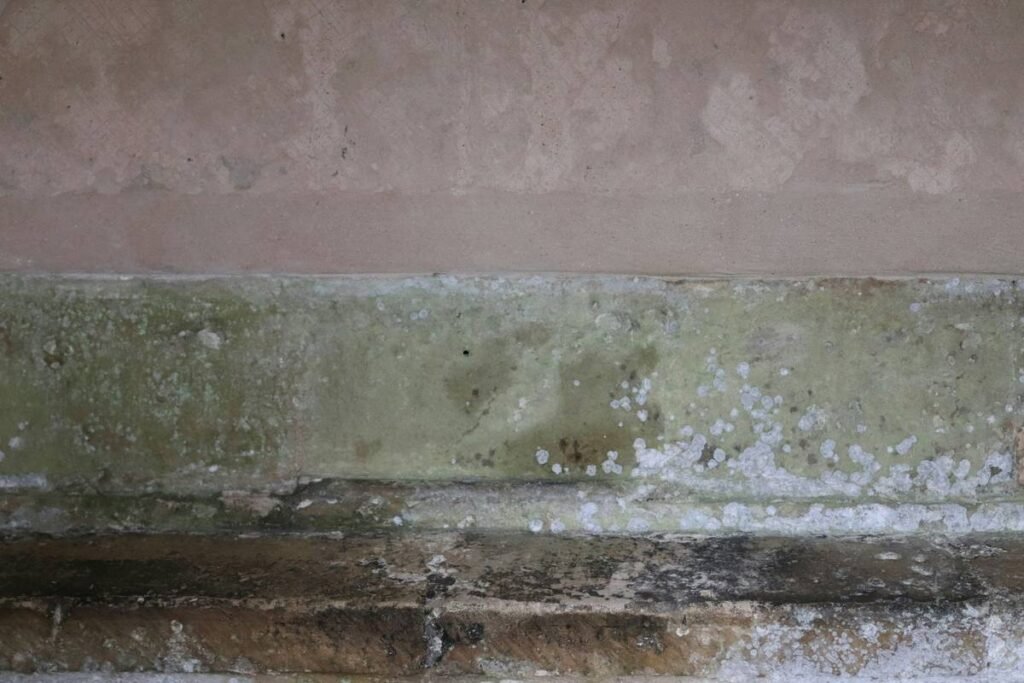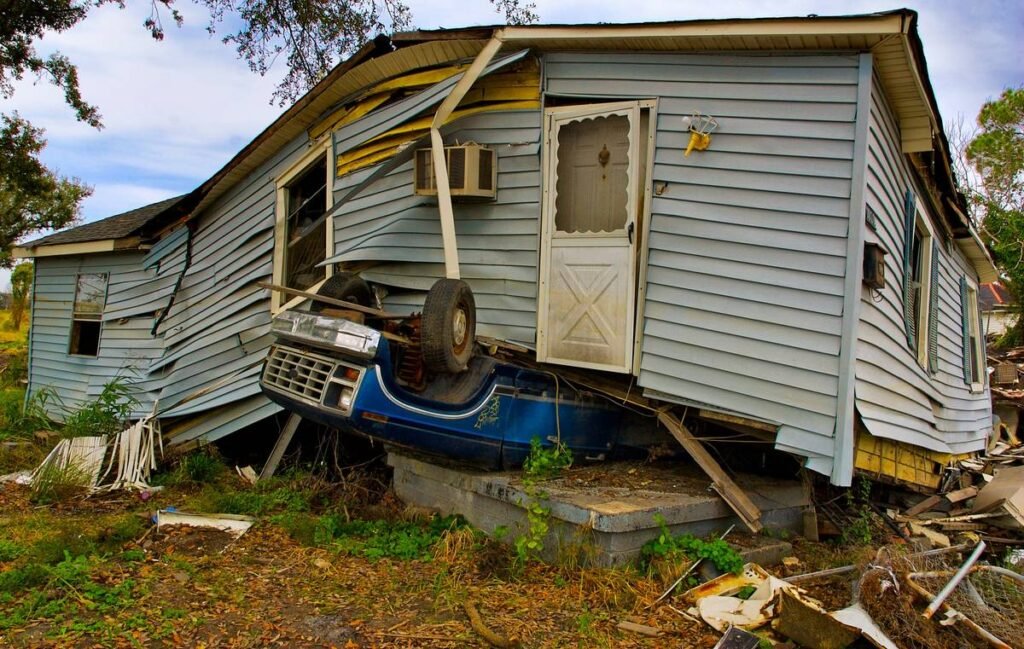
You spot black streaks behind the bathroom tile. The air smells musty—even after cleaning. Your gut says “mold.” But when you call your insurer? They say it’s “not covered.” You’re stuck facing thousands in finance mold repair costs with zero backup. Here’s how to flip the script—before the spores multiply and your wallet collapses.
Why Most Mold Claims Get Denied Flat-Out
Insurance companies treat mold like a four-letter word. And technically—it often is. Standard homeowners policies exclude mold damage unless it stems directly from a “covered peril,” like a burst pipe. Slow leaks? Condensation? Humidity buildup? All deemed “preventable” by insurers.
But here’s the catch: many adjusters won’t even investigate whether a sudden, accidental water event preceded the growth. They see “mold” on the claim form—and auto-deny. No questions asked.
finance mold repair: A Step-by-Step Battle Plan
Document Like a Forensic Accountant
Take date-stamped photos of every affected area. Record humidity levels. Preserve repair invoices. If a pipe broke last Tuesday, prove it. Insurers respond to evidence—not emotions.
Negotiate the “Sudden vs. Gradual” Trap
They’ll argue the mold grew slowly over months. Counter with a plumber’s report showing a recent rupture or appliance failure. Tie the infestation to a single, abrupt incident—that’s your loophole.
Know When to Escalate
If denied unfairly, file an internal appeal within 30 days. Cite policy language verbatim. Mention state regulations—Maryland, for example, requires insurers to act in good faith. Threaten regulatory complaint only if you mean it.

| Remediation Approach | Avg. Cost Range | Insurance Reimbursement Likelihood |
|---|---|---|
| DIY Cleaning (surface mold) | $50–$200 | Near 0% — not covered |
| Certified Remediation (with water event proof) | $2,500–$6,000 | 60–80% if tied to covered loss |
| Structural Tear-Out + Reconstruction | $8,000–$15,000+ | High—if causation is documented |

The Industry Secret: Mold Riders Are Often Worthless
Agents push “mold endorsements” like they’re gold-plated shields. Reality? Most cap coverage at $5,000–$10,000—with sky-high deductibles. Meanwhile, full remediation regularly runs $12K+. You pay extra premiums for partial peace of mind that evaporates under pressure.
Here’s what no one tells you: if your policy already covers water damage, you likely don’t need the rider—if you document properly. The real gap isn’t coverage—it’s proof.
Frequently Asked Questions
Does homeowners insurance ever cover mold?
Yes—but only if it results directly from a sudden, accidental water discharge (like a ruptured supply line), not long-term neglect or humidity.
How much does finance mold repair typically cost?
Minor cases start around $500; extensive structural remediation can exceed $15,000. Insurance may cover part or all—if causation is proven.
Can I add mold coverage after discovering mold?
No. Insurers won’t issue new riders once damage exists. Any endorsement must be purchased well before signs appear.