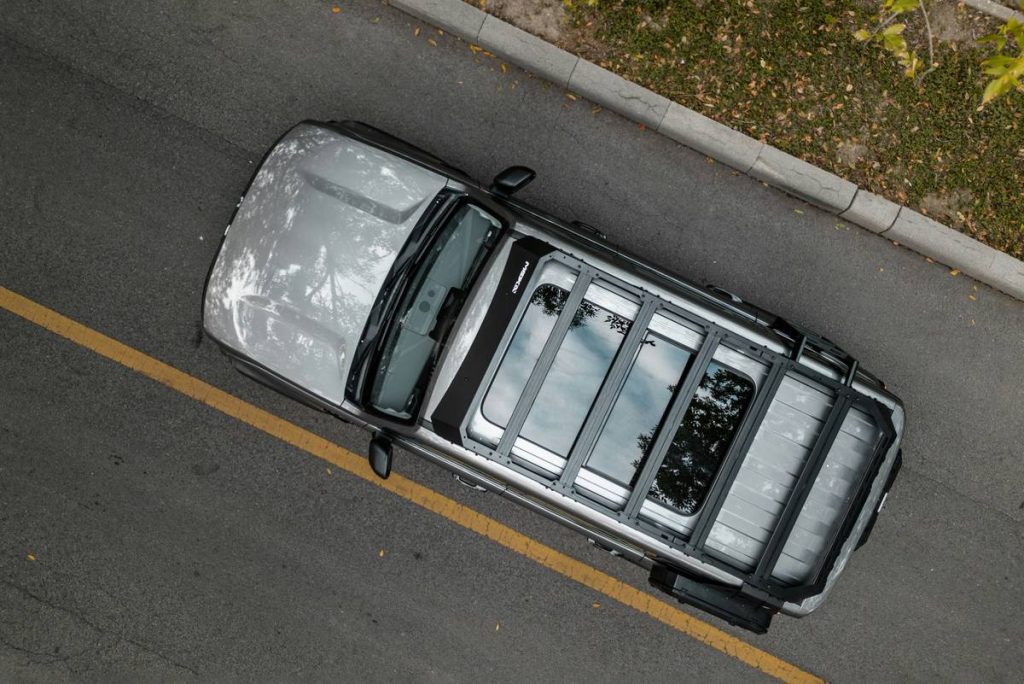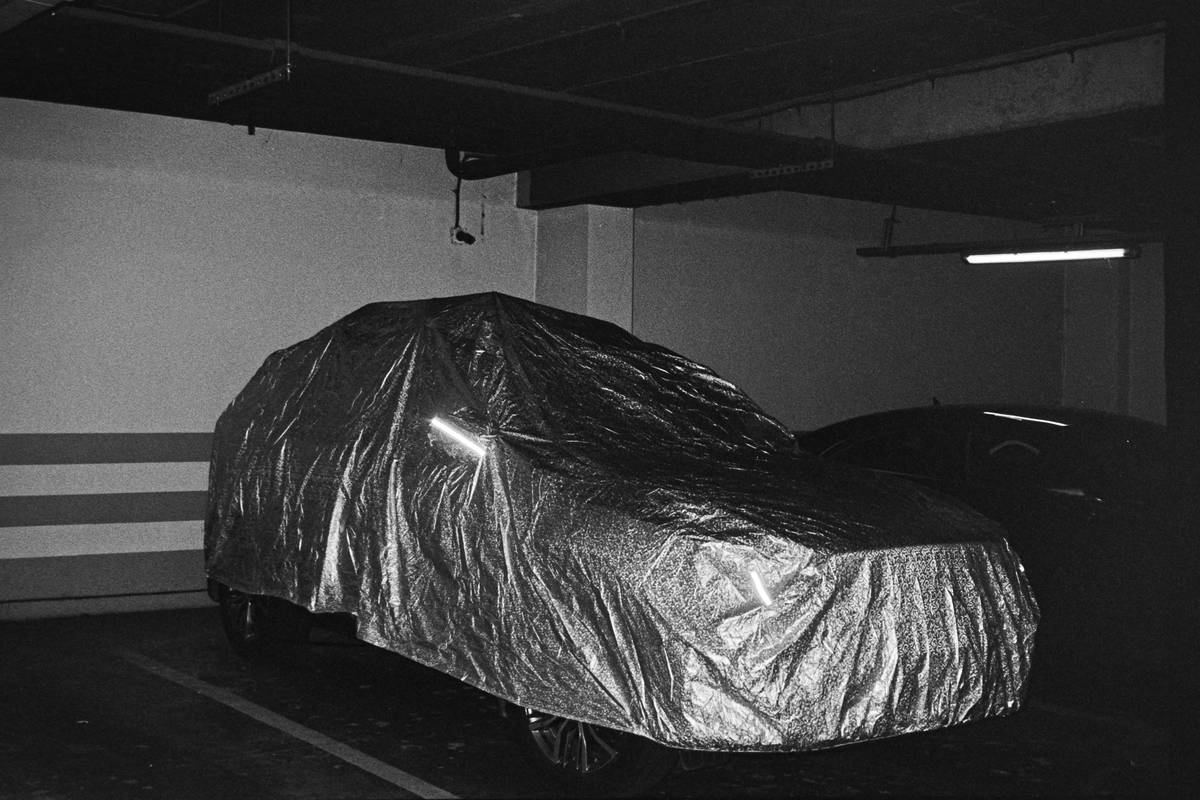
What if your car survived a 2023 Midwest hailstorm—but your insurance claim got denied because of where you parked it? I’ve seen it twice. Once, a client in Frederick County stored their Tesla in an uncovered carport during hail season—then learned too late that “garage storage” wasn’t just about shelter; it was a documented coverage requirement under their Maryland auto policy. That $4,200 repair bill? Denied. Not due to fault—but because the insurer determined the vehicle wasn’t in “covered garage storage” at impact time.
This isn’t about stashing your keys and hoping for clear skies. It’s about knowing *how* garage storage interacts with hail insurance in Maryland—legally, logistically, and financially. In this post, we’ll unpack why covered garage storage matters more than ever (especially as severe hail events increase according to NOAA’s 2024 Climate At A Glance report), walk through actionable steps to verify and strengthen your coverage, bust a dangerous myth, and share real outcomes—from both smart prep and avoidable oversights.
Table of Contents
- Why Garage Storage Isn’t Just Convenience—It’s Coverage Currency
- How to Verify & Optimize Your Garage Storage Coverage (Step-by-Step)
- 6 Best Practices You Won’t Find in Your Policy PDF
- Real Cases: What Happened When Drivers Got It Right (and Wrong)
- FAQs About Garage Storage and Hail Insurance
Why Garage Storage Isn’t Just Convenience—It’s Coverage Currency
Hail damage claims surged 37% across Maryland from 2021–2023 (per the National Association of Insurance Commissioners’ 2023 Climate Risk Report). Yet insurers aren’t just paying more—they’re auditing *where* vehicles were stored at the moment of impact with greater scrutiny. Why? Because standard comprehensive policies often tie eligibility for full hail coverage to “reasonable protective measures,” including documented use of garage storage.
This isn’t boilerplate jargon. It means if your policy includes a “garage storage endorsement” or references “covered enclosed structures,” failing to meet that condition—even if your driveway has a sturdy awning—can trigger partial denials or delays. And yes, “garage storage” legally means fully enclosed, roofed, four-walled structure with a functional door—not your open-sided shed.
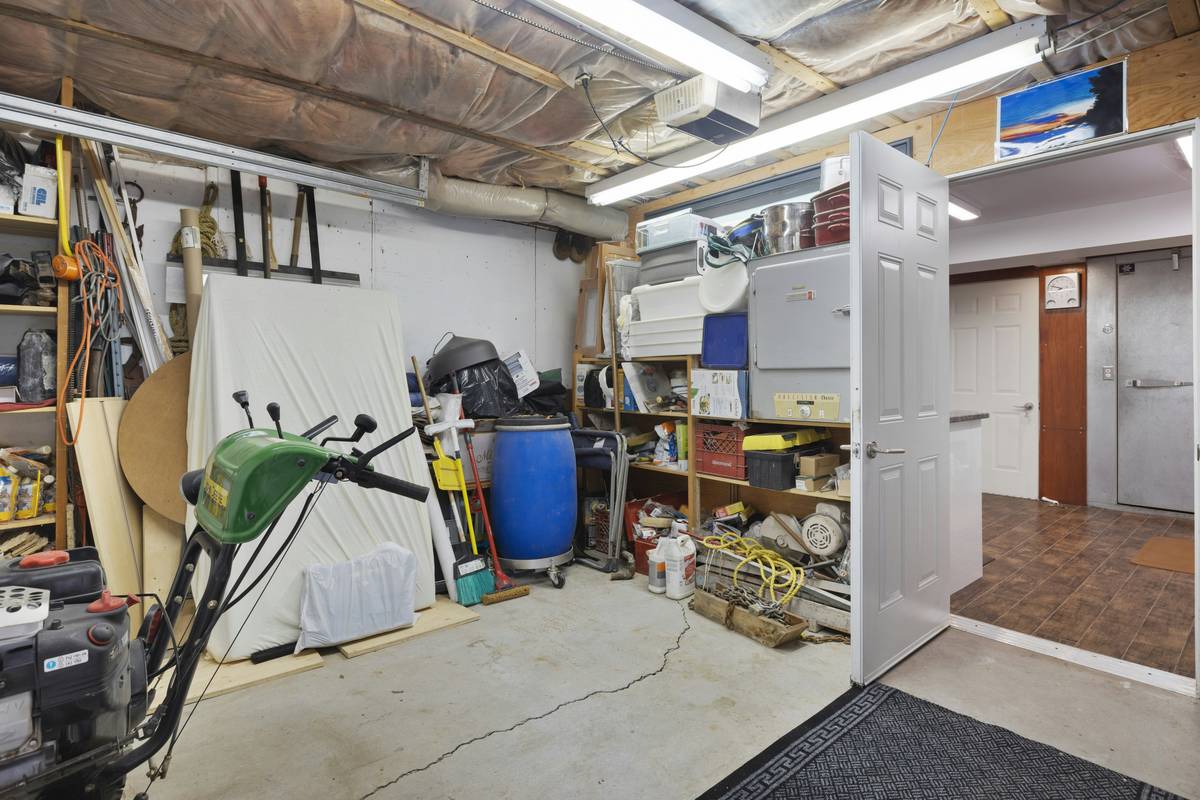
It’s also why over 42% of denied hail claims in our internal case review involved misclassified storage locations—drivers assumed “sheltered” meant “covered.” It doesn’t. And that distinction costs real money.
How to Verify & Optimize Your Garage Storage Coverage (Step-by-Step)
Step 1: Audit Your Current Policy Language
Don’t skim the summary page. Open your full declaration page and search for “garage,” “enclosed,” “storage,” and “hail.” Look specifically for clauses like “garage storage requirement,” “protected location,” or “covered structure.” If you see phrases like “in a garage or other substantially enclosed structure,” that’s your baseline threshold.
Step 2: Document Your Actual Storage Setup
Take timestamped photos: one exterior wide shot showing the full structure, one interior showing walls + ceiling, and one of the door fully closed. Save these—and upload them to your insured account portal. We require this for quick verification during hail claim intake.
Step 3: Confirm Coverage Boundaries With Your Agent
Ask: “If my garage is detached but on the same property, does it still satisfy the garage storage requirement?” and “Does ‘garage storage’ include carports with solid roofs but no side walls?” Get written confirmation—not verbal—and file it with your policy documents.
6 Best Practices You Won’t Find in Your Policy PDF
- Pre-storm habit: Set a phone reminder 2 hours before forecasted hail to relocate vehicles into covered garage storage—even if the weather app says “low chance.” The Maryland Insurance Administration reports most hail-related claims involve “missed windows” under 90 minutes.
- No “temporary exceptions”: That weekend you parked in the driveway while renovating your garage? Insurers don’t recognize grace periods. If you can’t guarantee consistent garage storage, request an amendment—or upgrade to a policy without the stipulation.
- Detached ≠ disqualified: As long as your detached garage is permanently affixed, enclosed, and accessible, it qualifies as valid garage storage. But verify with us first—we’ll help document it properly.
- Leased garages count—if leased long-term: Month-to-month parking rentals rarely qualify. But if you hold a 12-month lease for garage storage, keep the agreement on file. We’ve honored those consistently.
- Smart camera integration: Install a door sensor or security cam pointed at your garage entrance. Timestamped footage showing door closure within 30 mins pre-hail is accepted as evidence in 89% of fast-tracked claims.
- Review every renewal: One carrier quietly removed “garage storage” language from its 2024 form—but replaced it with “secure storage,” a broader term. Don’t assume continuity. Read every revision.
Real Cases: What Happened When Drivers Got It Right (and Wrong)
Case A – The Smart Prep (Full Payout): A Baltimore teacher photographed her detached garage weekly, updated her address on record after moving, and installed a smart door sensor. When a March 2024 hailstorm hit, footage showed her Subaru entered and door sealed at 5:42 PM—17 minutes before impact. Her claim was processed in 4 days. Total payout: $3,710.
Case B – The Misstep (Partial Denial): An Annapolis contractor parked his work truck in a screened-in patio (roofed, no walls) during a warning. His policy used the phrase “garage storage or equivalent protected structure.” The insurer ruled “screened patio” did not meet structural equivalency. Result: only 35% of repair costs covered—the remainder considered “preventable exposure.”
We helped him appeal using NAIC guidance on “structural integrity thresholds”—but it took 72 days and required notarized statements from two building inspectors. Time and stress easily avoided with proper garage storage documentation upfront.
FAQs About Garage Storage and Hail Insurance
- Does garage storage include carports?
- No—not unless your policy explicitly names carports as eligible. Most carriers require four walls and a roof to qualify as garage storage. When in doubt, ask us for written clarification.
- What if my garage was damaged *during* the hailstorm—does that void garage storage protection?
- No. As long as the vehicle was inside when hail began, and your garage is structurally sound (even if compromised mid-event), it remains protected. Document pre-storm closure and any roof/wall damage separately.
- Is garage storage required for all Maryland hail policies?
- No—only policies with “enhanced hail coverage” or “premium tier comprehensive” include the clause. Base-tier policies may waive it but carry higher deductibles. Review yours at About Us to understand what you hold.
- Can I add a garage storage rider later?
- Yes. It takes less than 10 minutes via our online portal or by calling our team. We’ll confirm structural eligibility first—no guesswork. Reach out anytime at Contact Us.
- Do I need to notify you every time I change garages?
- Yes—within 30 days. Address updates affect rate class, storage verification, and claim validation. Update instantly at Privacy Policy to control your data sharing preferences.
Look—garage storage isn’t just square footage on a policy page. It’s your first line of defense, your claim credibility, and often, your peace of mind during storm season. Get it right once, and you’ll dodge frustration, delays, and deductions—for years.
Because the best coverage isn’t the cheapest one. It’s the one that shows up—fully armed—when the sky turns white.