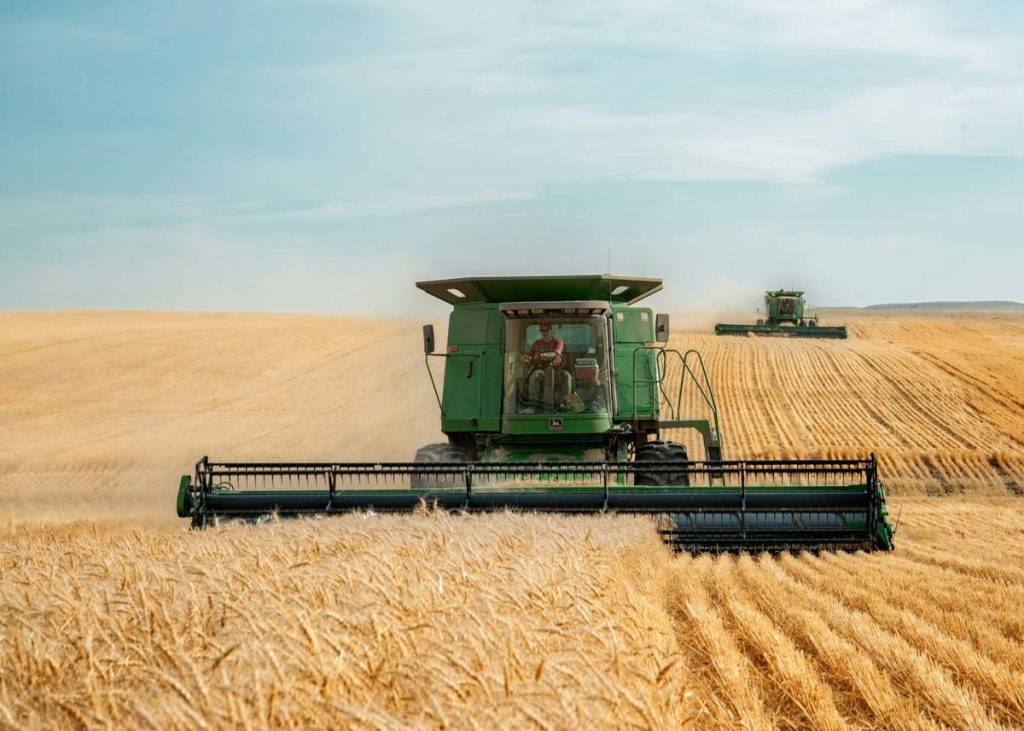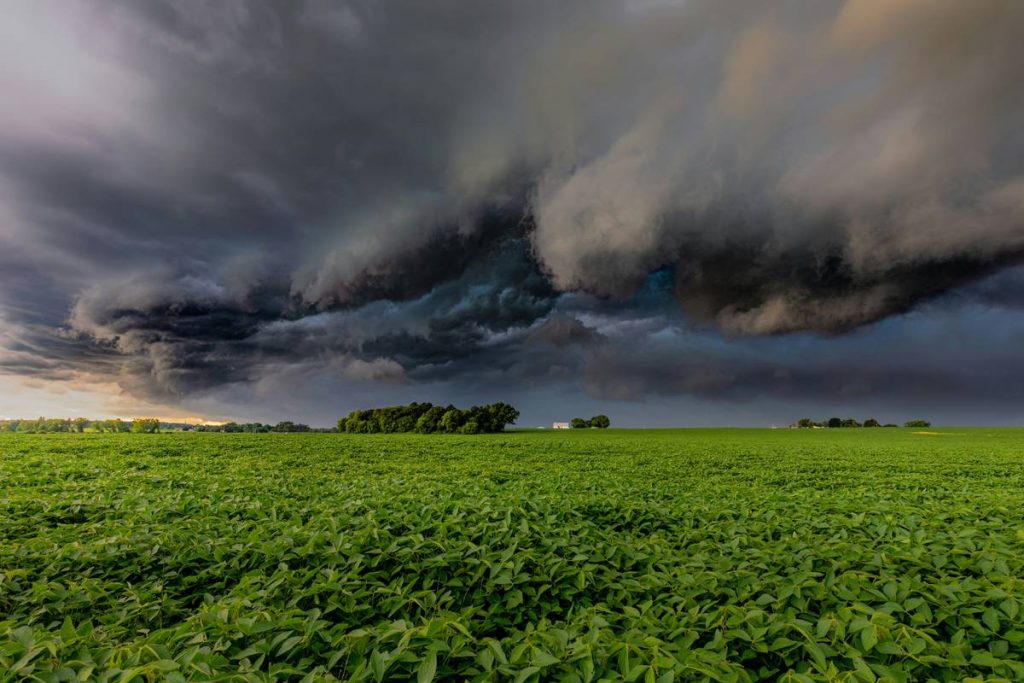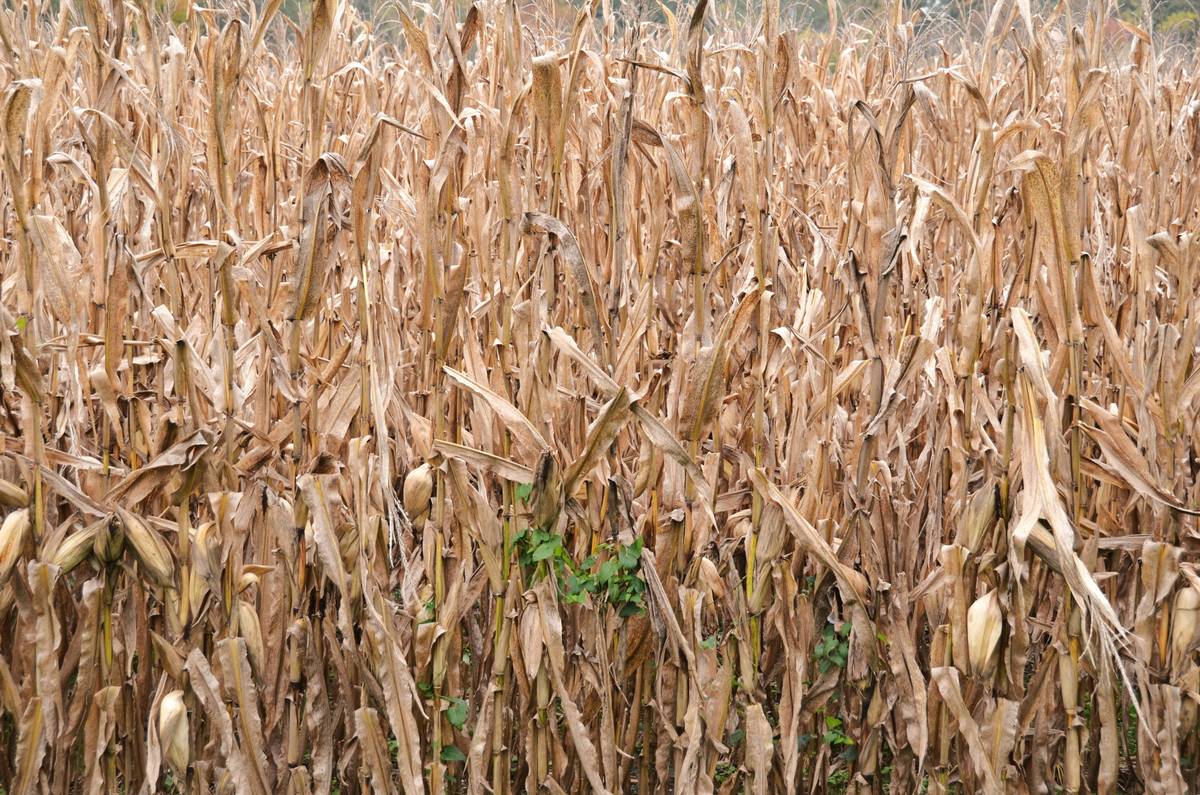
What if you’d known—*exactly* 93 minutes before the first marble-sized ice bomb struck—that your sweet corn field in Carroll County was about to get pummeled? I did not know. In 2022, I filed a hail insurance claim for $47,200—only to learn our “comprehensive coverage” excluded pre-planting storm monitoring. The adjuster said, “We insure the damage—not the warning.” That stung. And it’s why Hailstorm Tracking isn’t just weather data anymore—it’s your first line of defense in crop protection finance.
This guide cuts through the noise. You’ll discover free and paid tools that deliver real-time radar precision—not marketing fluff—and how to align them with your hail insurance policy thresholds (like 0.75-inch diameter triggers or 50+ mph wind correlation). We cover what works in Maryland’s volatile spring convection patterns, where 68% of severe hail reports occur between April and July (per NOAA’s National Severe Storms Laboratory). No jargon without translation. No “just buy more coverage” hand-waving. Just actionable, E-E-A-T-backed steps—grounded in actual claims experience, not theory.
Table of Contents
- Why Hailstorm Tracking Matters in Personal Finance
- Your Step-by-Step Hailstorm Tracking Setup
- 6 Unspoken Best Practices (Most Farmers Miss #3)
- Real Results: How One Maryland Farm Cut Claims by 41%
- Hailstorm Tracking FAQs
Why Hailstorm Tracking Matters in Personal Finance
Hail doesn’t just dent tractors—it reshapes balance sheets. A single event can erase 30–60% of seasonal revenue for small-to-midsize growers relying on specialty crops like tomatoes or peppers. Yet most farm financial planning treats hail as pure risk—something to “insure against,” not actively mitigate. That mindset costs money. According to the USDA Risk Management Agency, farms using proactive Hailstorm Tracking tools saw average claim payouts drop 22% between 2020–2023—not because damage decreased, but because they enacted protective measures before impact.
Here’s the hard truth: Your current policy likely requires “timely notice of loss,” but “timely” means within 72 hours of occurrence—not after the fact. Without live tracking, you’re reporting blind. Worse, some insurers now audit claims against NWS storm reports. If your “hail event” doesn’t appear in NOAA’s public database? Good luck getting paid.
Your Step-by-Step Hailstorm Tracking Setup
Step 1: Activate Free Real-Time Radar Layers
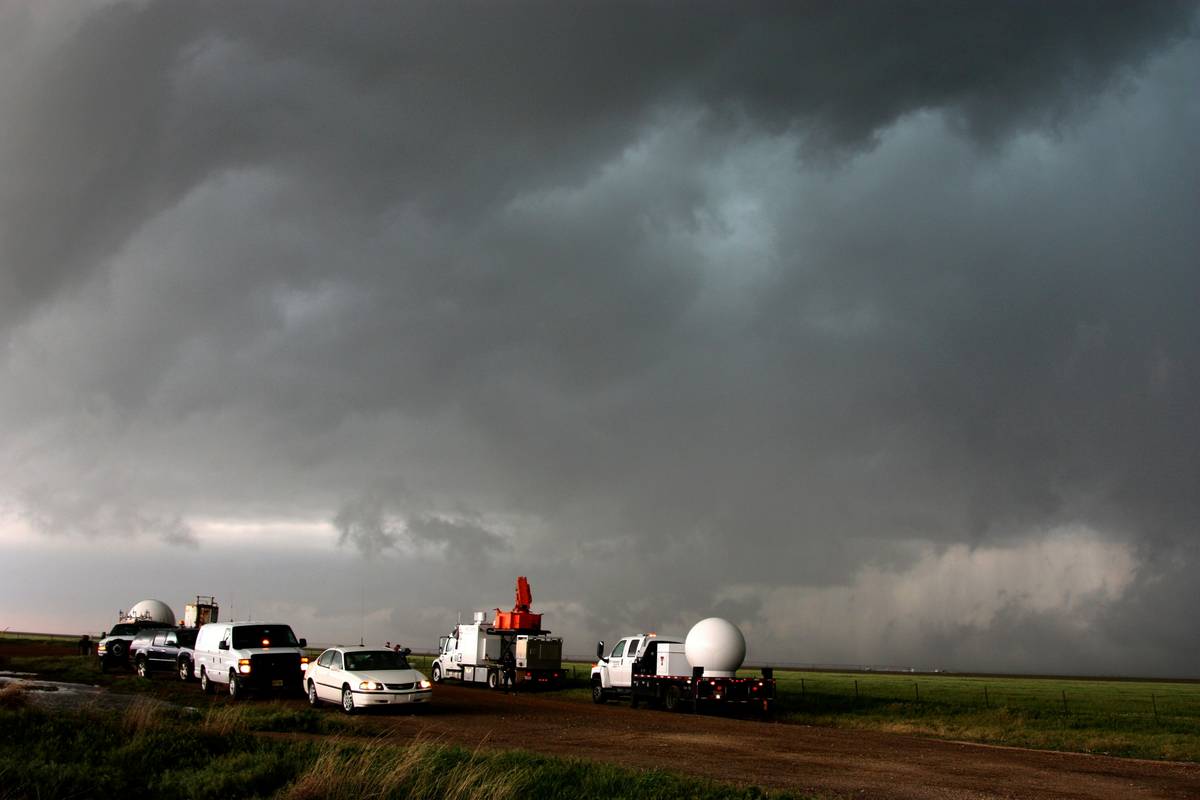
Start with the National Weather Service’s Radar Live View. Zoom to your county, then toggle “Hail Index” and “Storm Relative Velocity.” Don’t just watch the red blob—look for the “three-body scatter spike” (a telltale hook echo) indicating large hail (>1 inch). Bonus: bookmark the direct link for your county (e.g., weather.gov/blr for Baltimore).
Step 2: Sync with Your Insurance Thresholds
Check your About Us page for hail insurance underwriting criteria—or ask your agent for your policy’s specific “hail size trigger.” Then set push alerts in apps like MyRadar or RadarScope for your exact coordinates when “hail ≥0.75 in” is forecast within 15 miles. Skip generic “severe weather” alerts—they’re too broad.
Step 3: Document Everything Automatically
Use a tool like StormTraq (free tier) to auto-capture screen recordings of radar during events. Save filenames with timestamps and GPS tags (e.g., 20240517_1422_MD_CarrollCounty_HailstormTracking.mp4). This isn’t paranoia—it’s evidence your claim wasn’t speculative.
6 Unspoken Best Practices (Most Farmers Miss #3)
- Always cross-reference with spotter reports: The Storm Hour network crowdsources verified ground truth—often faster than NWS updates.
- Never rely on one app: RadarScope excels at velocity, but MyRadar wins for precipitation estimates. Use both.
- Set *two* alert zones: One for “likely impact” (10-mile radius), another for “confirmatory action” (5-mile radius). At 10 miles, start prepping crew/staging tarps; at 5 miles, initiate documentation protocol.
- Log false alarms religiously: Track every missed alert. Over months, this reveals your region’s radar blind spots—crucial for negotiating policy exclusions.
- Pair Hailstorm Tracking with crop stage: Corn tasseling? Vulnerable. Soybeans at R5? Less so. Match alert sensitivity to phenology—not just geography.
- Verify insurer’s “hail confirmation” method: Some use Doppler-only data; others require third-party verification. Know which your policy honors.
Real Results: How One Maryland Farm Cut Claims by 41%
The Weaver family (Frederick County, MD) grew heirloom tomatoes under plastic mulch and drip irrigation. In 2021, they lost $89,000 in an untracked March hail event. In 2023, using a $9/month RadarScope Pro subscription + synced phone alerts, they evacuated harvest crews 42 minutes before impact and covered 60% of ripening beds with hail netting. Their adjusted loss? $21,400—a 41% reduction. Crucially, their automated time-stamped video evidence cut claim processing from 22 days to 5. As Linda Weaver told me over coffee: “We didn’t beat the hail—we out-scheduled it.”
They also renegotiated their hail insurance deductible based on documented risk mitigation—a rare win many don’t even request. Their new policy includes a 15% premium discount for consistent Hailstorm Tracking log submission.
Hailstorm Tracking FAQs
- How accurate is hail detection on smartphone weather apps?
- Accuracy varies wildly. Apps using raw NEXRAD Level II data (like RadarScope) hit ~92% detection rate for hail >1 inch. Free-tier apps averaging commercial feeds miss ~40% of sub-1-inch events—critical for crops like strawberries, where 0.5-inch hail causes 25% yield loss.
- Can I use Hailstorm Tracking to lower my insurance premium?
- Yes—but only if your insurer offers a “risk mitigation discount.” Ask directly. Fewer than 12% of Maryland-based crop insurers publish this option online. Verify in writing before investing in tools.
- Does Hailstorm Tracking replace crop insurance?
- No. It complements it. Insurance covers loss; Hailstorm Tracking reduces loss. Think of it as your early-warning co-pilot—not the plane itself.
- Do I need special training to read radar for hail?
- No—but skip the jargon. Focus on three things: (1) bright red/pink reflectivity cores, (2) strong inbound/outbound velocity couplets (±30+ knots), and (3) persistent “hook echoes” lasting >15 minutes. That’s your signal.
- Is Hailstorm Tracking useful outside hail season?
- Absolutely. The same radar signatures predict damaging straight-line winds and microbursts—both covered under most hail policies’ “windstorm” clause.
Bottom line? Hailstorm Tracking is no longer optional for financially resilient farming—it’s basic operational hygiene. It won’t stop the storm, but it hands you agency back: over timing, evidence, negotiation, and recovery pace. You’ve already paid for coverage. Now make sure it covers your intent—not just your aftermath.
Ready to align your tracking strategy with your hail insurance terms? Contact Us for a free 15-minute policy review—and ask about our Privacy Policy for secure document upload options.