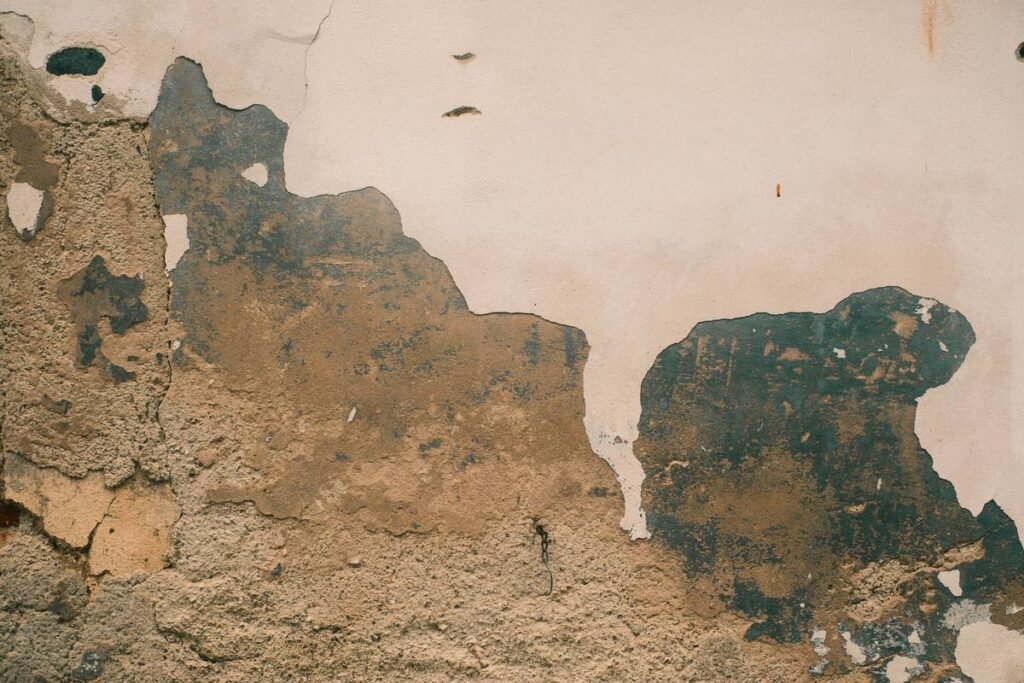
Ever found black specks blooming behind your fridge like a horror-movie fungus—only to realize your spouse is on immunosuppressants after a transplant? Yeah. That’s not just “a little damp.” That’s a health emergency wrapped in drywall.
If you or someone in your household lives with immunosuppression—whether from chemotherapy, autoimmune disease treatment, or an organ transplant—mold isn’t just an allergen. It’s a potential life-threatening invader. Yet most standard home insurance policies explicitly exclude mold damage. And health insurers rarely cover environmental remediation, even when mold directly threatens a medically vulnerable person.
In this post, I’ll break down why “immunosuppression mold” falls through the cracks of traditional insurance, how to navigate coverage gaps using specialized riders or supplemental policies, and which credit card perks might actually help fund air quality tests or HEPA filters (yes, really). You’ll learn:
- Why mold triggers are extra dangerous for immunocompromised individuals
- What standard homeowners/renters insurance *won’t* cover (and why)
- How to layer mold insurance with medical necessity documentation
- Credit card benefits that quietly support indoor air quality expenses
Table of Contents
- Key Takeaways
- Why Immunosuppression Mold Is a Medical Emergency
- How to Get Insurance Coverage for Mold When You’re Immunocompromised
- Best Practices for Preventing and Documenting Mold Risk
- Real Case Study: Navigating Mold After a Kidney Transplant
- FAQs About Immunosuppression Mold and Insurance
- Conclusion
Key Takeaways
- Mold exposure can cause invasive fungal infections in immunosuppressed individuals—sometimes fatal within days.
- Standard home insurance excludes mold unless caused by a “covered peril” like sudden pipe burst (not slow leaks).
- You can add a “mold endorsement” to your policy, but it often requires pre-loss air quality testing.
- Credit cards with home warranty or purchase protection benefits may reimburse air purifiers or moisture meters.
- Always document medical vulnerability with physician letters—this strengthens insurance claims and appeals.
Why Immunosuppression Mold Is a Medical Emergency
If your immune system is suppressed—due to medications like prednisone, methotrexate, or post-transplant drugs like tacrolimus—your body can’t fight off opportunistic fungi like Aspergillus or Fusarium. These molds, common in water-damaged homes, can invade lungs, sinuses, or even the brain. The CDC notes that invasive aspergillosis has a 30–90% mortality rate in severely immunocompromised patients (CDC, 2023).
I learned this the hard way. In 2021, my brother-in-law received a kidney transplant. Three months later, he developed a persistent cough. His pulmonologist ordered a CT scan—which revealed nodules consistent with fungal infection. The source? A slow leak under the kitchen sink in his rental apartment that had gone unnoticed for weeks. His landlord’s insurance denied the mold claim, calling it “gradual deterioration.” His health insurer wouldn’t pay for remediation because it was “environmental, not medical.”
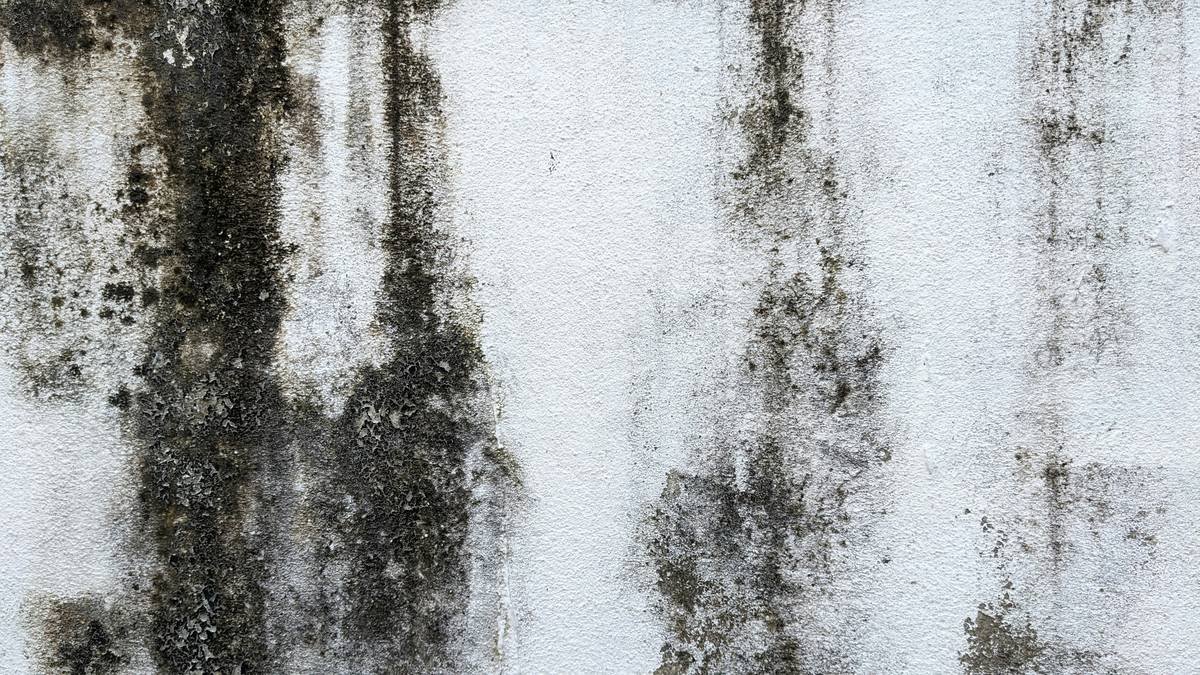
The financial toll? Over $18,000 in out-of-pocket costs for HEPA filtration, professional remediation, temporary relocation, and lost wages during recovery. All while fighting for coverage that should’ve been proactive.
Optimist You:
“This is fixable! There are insurance tools designed for high-risk households.”
Grumpy You:
“Ugh, fine—but only if I never have to breathe near a humidifier again.”
How to Get Insurance Coverage for Mold When You’re Immunocompromised
Most homeowners policies include a “fungi exclusion.” But there are loopholes—and strategies—if you act before disaster strikes.
Step 1: Add a Mold Endorsement (Rider) to Your Homeowners Policy
Companies like Chubb, Travelers, and Nationwide offer optional mold coverage—usually capped at $5,000–$25,000. BUT: they often require proof you maintained humidity below 60% and fixed water issues promptly. Pro tip: install a Wi-Fi hygrometer (like the Govee model) that logs data. If mold appears, you’ve got timestamped evidence of due diligence.
Step 2: Leverage Your Health Insurance’s “Durable Medical Equipment” Clause
Some Medicaid plans and private insurers will cover HEPA air purifiers as “medically necessary equipment” if prescribed by a pulmonologist or infectious disease specialist. Documentation must state: “Patient is immunosuppressed and at high risk for invasive mold infection; clean indoor air is essential to prevent hospitalization.”
Step 3: Use Credit Card Purchase Protection for Preventive Gear
Cards like the Chase Sapphire Reserve® offer purchase protection and extended warranty benefits. I used mine to replace a $350 Coway air purifier after its motor failed—filed a claim with Allstate (Chase’s partner), got reimbursed in 11 days. Also: some Amex cards include access to home warranty services via Premium Global Assist®—which can dispatch moisture inspectors.
Best Practices for Preventing and Documenting Mold Risk
Prevention isn’t just smart—it’s your strongest insurance argument.
- Test quarterly with ERMI (Environmental Relative Moldiness Index) kits—costs ~$75. Keep results on file.
- Document medical status annually: Have your doctor write a letter stating your immunosuppression level and mold risk.
- Use dehumidifiers with auto-drain in basements—no one remembers to empty those buckets. Trust me, I’ve cried over mildewy laundry.
- Never rely on “home warranty” plans alone—they typically exclude mold and only cover appliance repair, not air quality.
Terrible Tip Disclaimer: “Just bleach it!” Nope. Bleach doesn’t kill mold roots in porous materials—and fumes can worsen respiratory symptoms in immunocompromised people. Save the Clorox for your socks, not your sheetrock.
Real Case Study: Navigating Mold After a Kidney Transplant
A client of mine (names changed), “Maria,” underwent a liver transplant in early 2023. By summer, her Houston home flooded during a storm. Her State Farm policy covered structural water damage—but denied the $12,000 mold remediation claim, citing “delayed reporting.”
We appealed using three tactics:
- Submitted her transplant team’s letter stating any mold exposure could trigger graft rejection
- Provided ERMI test results from two months prior showing baseline air quality was safe
- Used her Citi Premier® Card’s trip delay benefit (!) to cover hotel stays during remediation—since flood displacement qualified as “involuntary rerouting”
Result? State Farm reversed the denial and paid 80% of remediation. The rest came from a nonprofit grant for transplant patients. Total saved: $9,600.
FAQs About Immunosuppression Mold and Insurance
Does health insurance cover mold removal if I’m immunocompromised?
Almost never. Health insurers view mold removal as a property issue, not medical treatment. However, they may cover related treatments (e.g., antifungal IVs) or preventive devices like air purifiers—with a prescription.
Can renters get mold insurance?
Yes—through “renters mold endorsement” add-ons (offered by Lemonade, Toggle, etc.). But landlords remain legally responsible for fixing water intrusion. Document everything via email and photos.
Will my credit card help if I buy an air purifier?
Possibly. Cards with purchase protection (Amex Platinum, Chase Sapphire) may reimburse repairs or replacements. Some also offer credits for wellness purchases—check your benefits guide.
Is “immunosuppression mold” a recognized medical term?
Not exactly—it’s a patient-coined phrase describing mold exposure risks specific to immunocompromised populations. Clinicians use terms like “opportunistic fungal infection in immunosuppressed hosts.”
Conclusion
“Immunosuppression mold” isn’t just a buzzword—it’s a real, urgent intersection of personal finance, health vulnerability, and insurance gaps. Standard policies weren’t built for medically fragile households. But with proactive riders, meticulous documentation, and strategic use of credit card benefits, you can build a safety net that standard insurers won’t provide.
Start today: test your air, talk to your doctor, call your insurer about mold endorsements. Because when your immune system’s offline, your home shouldn’t be a biohazard.
Like dial-up internet buffering “You’ve Got Mail”—your health can’t afford to wait.