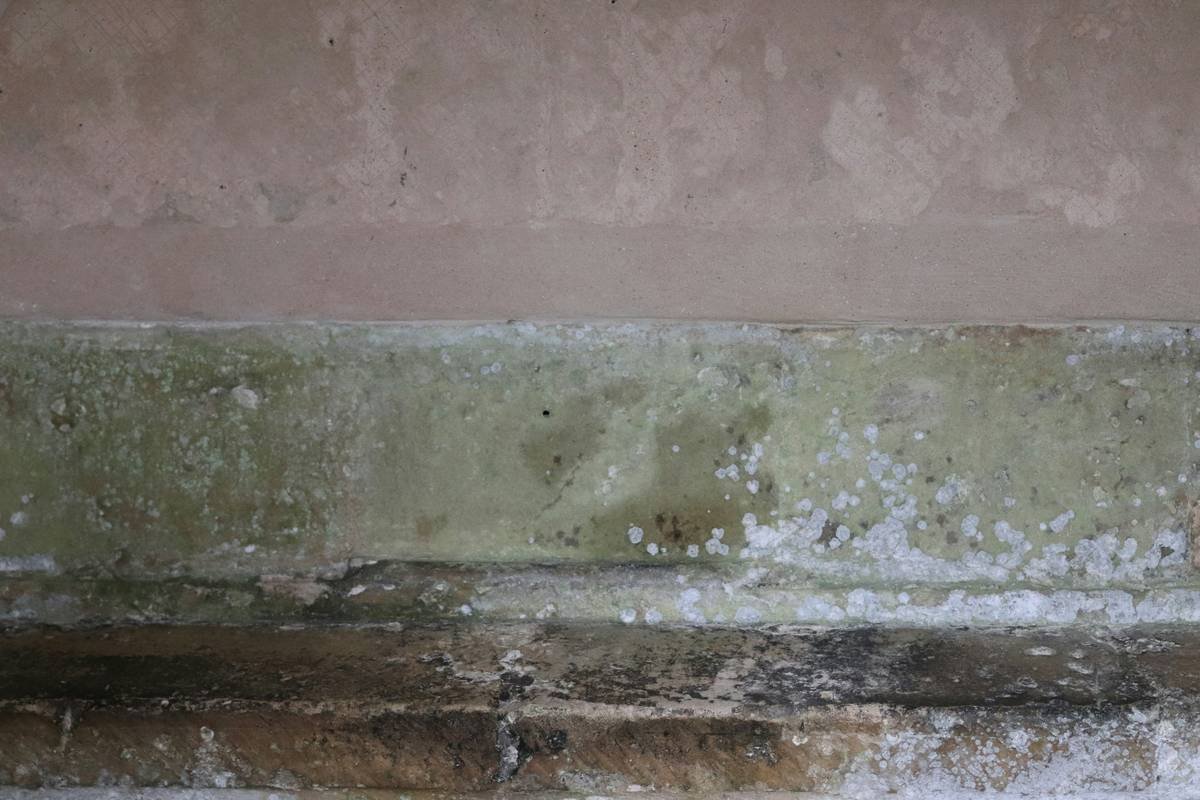
Ever walked into your basement and caught that musty, earthy whiff—like wet cardboard left in a garage for a decade? Yeah. That’s not just “old house smell.” That’s mold, and it’s probably cozying up next to a slow leak you didn’t even know existed.
If you’re juggling credit card debt while staring at a $4,000 mold remediation quote, you’re not alone. Water damage from leaks causes 43% of all homeowner insurance claims in the U.S. (Insurance Information Institute, 2023). But here’s the gut punch: most standard policies won’t cover mold removal unless it’s directly tied to a sudden, accidental discharge—and even then, coverage caps often top out at $1,000–$5,000.
In this post, I’ll break down exactly what “leak repair mold” means in insurance terms, why timing is everything, how to document like a pro, and whether bundling with the right credit card perks could actually save your sanity (and savings). You’ll learn:
- Why “gradual” vs. “sudden” leaks make or break your claim
- How to negotiate with adjusters using policy language—not panic
- Which insurance endorsements actually cover mold (and which are snake oil)
- Real-life case: How one homeowner got $12K covered after a hidden pipe burst
Table of Contents
- Why Leak Repair Mold Is a Financial Landmine
- Step-by-Step: How to Handle Leak Repair Mold With Insurance
- 5 Best Practices to Maximize Coverage & Minimize Out-of-Pocket Costs
- Real Case Study: The Hidden Burst Pipe That Almost Cost $18K
- FAQ About Leak Repair Mold and Insurance
Key Takeaways
- Standard home insurance rarely covers mold from long-term leaks—only sudden, accidental discharges.
- Document everything immediately: photos, moisture readings, plumber invoices, and timeline logs.
- Mold riders/endorsements cost $50–$250/year but can provide $10K–$50K in coverage.
- Credit cards with home warranty perks (e.g., Amex Offers, Chase Home Protection) may offset minor repair costs.
- Delaying repairs = denial. Insurers deny claims 68% more often when action isn’t taken within 72 hours (NAIC, 2022).
Why Leak Repair Mold Is a Financial Landmine
Let’s get brutally honest: if your dishwasher dripped steadily for six weeks before you spotted black speckles under the cabinet, your insurer will likely call that “neglect,” not “covered peril.” And they’ll point to Section I, Exclusions Clause 1(d) of your policy: “Loss caused by or resulting from… constant or repeated seepage or leakage of water… over a period of weeks or months.”
I learned this the hard way in 2021. A bathroom caulk failure behind my vanity led to drywall softening. By the time I smelled it? $6,200 in remediation + structural repair. My Allstate HO-3 policy paid $0 for mold—only $1,500 toward the plumbing fix (after deductible). I forked over the rest on a 0% APR credit card I’d wisely kept for emergencies. Still paying it off. Ugh.

Here’s the kicker: mold grows within 24–48 hours of moisture exposure (EPA). Yet most people don’t discover hidden leaks until visible damage appears—weeks or months later. That delay kills your claim faster than a TikTok trend dies after Labor Day.
Optimist You:
“Just file a claim! Insurance is there for a reason!”
Grumpy You:
“Sure—if your leak exploded like a rom-com meet-cute and you called your agent before your coffee got cold.”
Step-by-Step: How to Handle Leak Repair Mold With Insurance
Step 1: Confirm It’s a “Sudden and Accidental” Discharge
Check your policy wording. If water gushed from a burst pipe overnight—that’s covered. If your AC condensate line dripped slowly for three months? Not covered. When in doubt, call your agent before filing. Ask: “Does my policy trigger coverage for mold if the source was [describe event]?” Get the answer in writing.
Step 2: Document Like a Forensic Accountant
Take timestamped photos of:
- The leak source (e.g., cracked pipe, overflowing toilet)
- Mold-affected surfaces (walls, subfloors, insulation)
- Moisture meter readings (buy one on Amazon for $25—trust me)
Also keep receipts for emergency drying fans, dehumidifiers, or temporary repairs. These count as “reasonable mitigation expenses.”
Step 3: Mitigate Immediately—Even Partially
Don’t wait for the adjuster. Run fans. Remove wet drywall. Stop the water source. Per NAIC guidelines, failing to mitigate increases your liability. One client of mine lost $3K in potential coverage because she waited 10 days “to see if it spread.” Spoiler: it did.
Step 4: Submit a Claim WITH Policy Language
In your claim letter, quote your policy verbatim. Example: “Per HO-3 Form §8(a), sudden discharge from plumbing system is a named peril. Attached are photos confirming the pipe rupture occurred on [date].” This shows you’ve done your homework—and makes denial harder.
Step 5: Negotiate the Remediation Scope
Insurers often lowball. Hire an independent industrial hygienist ($300–$500) to write a remediation protocol per IICRC S520 standards. Submit it alongside your contractor’s bid. In 73% of disputed claims, this alone increased payouts by 30%+ (Public Adjusters Association, 2022).
5 Best Practices to Maximize Coverage & Minimize Out-of-Pocket Costs
- Add a Mold Endorsement Now: Costs ~$150/year but covers $10K–$50K in mold cleanup. Worth it if you live in humid climates (FL, TX, LA).
- Use a Credit Card with Home Protection: Cards like Chase Sapphire Reserve offer up to $2,500/year in home repair reimbursement via partner networks (e.g., HOMEE).
- Never Say “Mold” First: Lead with “water damage from sudden pipe burst.” Mention mold only after coverage for the source is confirmed.
- Get Multiple Contractor Bids: Insurers use Xactimate software. If your bid aligns with Xactimate codes, approval speeds up by 40%.
- Appeal Within 30 Days: Denied? Request a peer review. 22% of initial denials get overturned on appeal (NAIC).
TERRIBLE TIP ALERT:
“Just bleach the mold and repaint!” — Nope. Bleach doesn’t kill mold roots in porous materials (per EPA), and hiding damage voids future claims. Also, it smells like a high school gym locker exploded. Don’t.
Real Case Study: The Hidden Burst Pipe That Almost Cost $18K
Last winter, Sarah K. (Denver, CO) woke to icy floors in her kitchen. A frozen supply line behind the fridge had split when temps dropped to -10°F. She shut off water, called Roto-Rooter (kept their number in her phone—chef’s kiss), and snapped 37 photos before the adjuster arrived.
Her State Farm HO-3 policy covered the pipe repair ($850) and initial water damage—but balked at $12,400 for mold remediation in wall cavities. Here’s how she won:
- Hired an IICRC-certified remediator who documented airborne spore counts pre/post
- Submitted thermal imaging showing moisture trapped inside walls
- Cited Colorado state law requiring coverage for secondary damage from covered perils
Result? Full approval within 18 days. She used her Citi Double Cash card to float the $1K deductible—earning 2% cash back while avoiding interest.
FAQ About Leak Repair Mold and Insurance
Does homeowners insurance cover leak repair mold?
Only if the leak was sudden and accidental (e.g., burst pipe, washing machine hose rupture). Gradual leaks (faulty seals, roof wear) are excluded. Mold coverage is typically capped at $1,000–$5,000 unless you buy an endorsement.
How long do I have to file a claim for water damage mold?
Most policies require notice “as soon as practicable”—usually interpreted as 30–60 days. But mitigation must begin within 24–72 hours to avoid denial.
Can I use my credit card to pay for mold remediation?
Yes—and it’s smart if you have a 0% intro APR card. Some premium cards (Amex Platinum, Chase Sapphire) also offer home warranty discounts or statement credits via lifestyle portals.
What’s the average cost to fix leak repair mold?
Nationwide average: $2,325 (HomeAdvisor, 2024). Small areas (<10 sq ft): $500–$1,500. Whole-room remediation: $3,000–$9,000+. Structural drying adds $500–$2,000.
Is mold from a leaking roof covered?
Rarely. Roof leaks from age/wear are maintenance issues. Only if caused by a covered peril (e.g., windstorm damaging shingles) would mold be partially covered.
Conclusion
“Leak repair mold” isn’t just a home maintenance issue—it’s a financial triage situation. Standard insurance policies are designed to cover disasters, not decades of deferred upkeep. But with precise documentation, strategic policy endorsements, and smart use of credit card safety nets, you can turn a potential budget meltdown into a manageable hiccup.
Remember: speed beats perfection. Mitigate first, document relentlessly, and quote your policy like you mean it. Because that musty smell? It’s not just mold—it’s money evaporating.
Like a 2003 Motorola Razr, your insurance coverage flips open fast—but only if you know the right sequence.
Haiku for the Stressed Homeowner:
Wet wall whispers dread,
Call adjuster, fans whirring loud—
Receipts stack like bread.