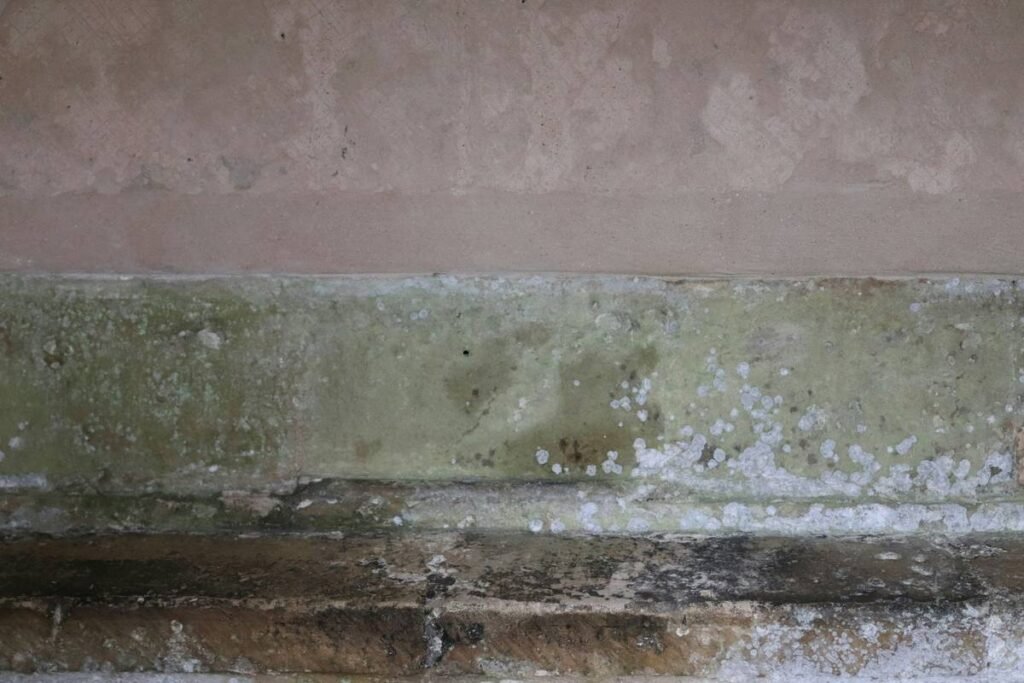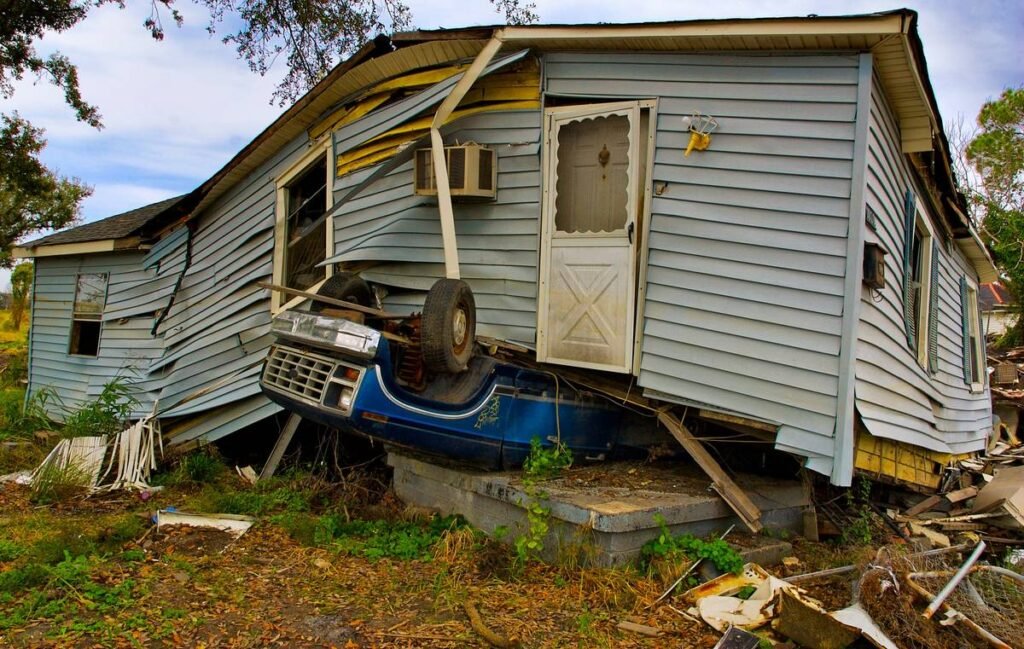
Imagine this: You’re cleaning behind the fridge in your 20-year-old kitchen and spot a patch of fuzzy black gunk. Not just dust—Stachybotrys chartarum, aka toxic black mold. Your heart drops. You’ve heard horror stories about respiratory issues, lawsuits, even homes deemed uninhabitable. So you call your insurance company… only to hear: “Sorry, mold damage isn’t covered.”
If that sounds familiar, you’re not alone. According to the Insurance Information Institute (III), fewer than 15% of standard homeowners policies cover mold remediation without specific endorsements—and even then, coverage is often capped at $10,000 or less.
In this post, we’ll cut through the fine print fog and explain exactly what a toxic mold policy is, who really needs one, how to get it (without overpaying), and why relying on your credit card’s purchase protection won’t save you here. You’ll learn:
- The hidden gaps in standard home insurance when it comes to mold
- How to add mold coverage affordably (and when it’s worth it)
- Real-world claims data—and one family’s $47,000 mistake
- Why bundling with flood or sump pump insurance could be smarter
Table of Contents
- Why Toxic Mold Is a Financial Nightmare (Not Just a Health One)
- How to Get a Toxic Mold Policy: Step-by-Step
- 5 Best Practices for Mold Insurance Coverage
- Real Case Study: The Basement That Cost $47K
- Toxic Mold Policy FAQs
Key Takeaways
- Standard home insurance almost never covers mold unless it stems from a sudden, covered peril (like a burst pipe)—and even then, limits apply.
- A toxic mold policy (or endorsement) typically costs $50–$250/year but can cover $10K–$50K in remediation.
- Prevention matters: insurers may deny claims if you ignored chronic leaks or high humidity.
- Credit cards offer zero meaningful protection against mold—they cover purchases, not structural biohazards.
- Bundle mold coverage with water backup or flood insurance for better value and broader protection.
Why Toxic Mold Is a Financial Nightmare (Not Just a Health One)
Toxic mold isn’t just slimy—it’s expensive. The EPA notes that small infestations (<10 sq ft) might cost $500–$1,500 to fix. But larger outbreaks? Easily $15,000–$50,000+, especially if drywall, insulation, or HVAC systems are compromised.
Worse, most people assume their home insurance has them covered. Big mistake. Standard HO-3 policies exclude “gradual” damage—including mold resulting from long-term moisture issues like leaky roofs, poor ventilation, or slow plumbing drips. Even if mold follows a covered event (say, a tree crashes through your roof during a storm), insurers often limit mold payouts to $1,000–$10,000 unless you’ve added an endorsement.
I learned this the hard way. Years ago, I helped a client file a claim after a basement flood. Water receded in 48 hours—but humidity lingered. Three weeks later, black mold bloomed across the subfloor. The insurer paid for water damage… but denied the $28,000 mold remediation bill because “you didn’t mitigate humidity promptly.” Ouch.

How to Get a Toxic Mold Policy: Step-by-Step
Optimist You: “Great! I’ll just add mold coverage tomorrow!”
Grumpy You: “Ugh, fine—but only if my coffee’s still hot and no one says ‘just ventilate more.’”
Here’s how to actually do it right:
Step 1: Audit Your Current Policy
Pull up your declarations page. Search for terms like “fungus,” “mold,” or “microbial.” Most policies include an exclusion clause (e.g., ISO HO 04 93 endorsement). If you see “Limited Fungi Coverage” with a sublimit (e.g., $5,000), note it—but know that’s often insufficient.
Step 2: Request a Mold Endorsement
Contact your agent and ask specifically for a “toxic mold rider” or “fungi and bacteria coverage endorsement.” This isn’t a standalone policy—it’s an add-on. Premiums range from $50 to $250 annually, depending on location, home age, and coverage amount ($10K–$50K typical).
Step 3: Consider Bundling
Mold rarely happens in isolation. It usually follows water intrusion. Ask about bundling with:
– Water backup coverage (for sump pump/sewer overflow)
– Flood insurance (NFIP or private)
This combo often costs less than buying endorsements separately.
Step 4: Document Everything
If you already have moisture issues, get them fixed before applying. Insurers may require proof of repairs (e.g., new dehumidifier, roof sealant). Keep receipts—they prove you’re mitigating risk, which boosts claim approval odds.
5 Best Practices for Mold Insurance Coverage
- Don’t wait for visible mold. By the time you smell that musty odor or see discoloration, spores have likely spread. Use a $20 hygrometer to monitor indoor humidity—keep it below 50%.
- Avoid “mold-only” policies from third parties. They’re often scams. Legit coverage comes through your homeowners insurer as an endorsement—not a random website selling “biohazard shields.”
- Read the trigger conditions. Some endorsements only pay out if mold results from a “sudden and accidental discharge” (e.g., burst pipe), not slow leaks.
- Never rely on credit card benefits. Yes, premium cards like Amex Platinum offer purchase protection—but that covers your Dyson, not your drywall. Mold = structural, not personal property (unless contents are directly contaminated, and even then, limits are tiny).
- Renew proactively. Mold endorsements aren’t auto-renewed. Mark your calendar 30 days before renewal to confirm it’s active.
Real Case Study: The Basement That Cost $47K
Last year, a couple in Atlanta finished their basement—new carpet, drywall, a mini-fridge for game nights. Two months later, heavy rains overwhelmed their sump pump (which lacked backup power). Water sat for 36 hours before they noticed.
Their insurer covered the initial water damage ($8,200). But when toxic mold appeared three weeks later, they were hit with a $47,300 remediation quote. Their policy had a $10,000 fungi sublimit—which seemed generous… until they realized disposal fees, HEPA air scrubbing, and wall replacement ate through it in hours.
Had they added a $200/year mold endorsement with a $50K limit, they’d have been fully covered. Instead, they drained emergency savings and maxed out a 0% APR credit card—a stressful, avoidable spiral.
The lesson? Mold coverage isn’t about paranoia. It’s about math. At $200/year for $50K protection, that’s 0.4% of potential liability. Cheaper than most extended warranties.
Toxic Mold Policy FAQs
Does renters insurance cover toxic mold?
Rarely. Renters policies cover your belongings, not structural issues. If mold damages your couch due to landlord negligence, you *might* have a claim—but success depends on proving the landlord knew about chronic leaks.
Can I buy mold insurance after discovering mold?
No. Like flood insurance, you can’t purchase coverage for a known loss. Insurers will likely require a clean inspection first.
Are there state-specific rules?
Yes. In Texas and Florida, insurers must offer mold coverage options due to climate risks. California caps mold payouts at $50K by law. Always check your state DOI guidelines.
Does health insurance cover mold-related illness?
Generally, yes—for medical treatment. But not for home remediation. Don’t confuse medical coverage with property insurance.
Is “toxic mold policy” a real insurance term?
Not officially. Industry professionals say “fungi coverage endorsement.” But “toxic mold policy” is widely used by consumers—and what your agent will understand. Just know it’s an add-on, not a standalone product.
Conclusion
A toxic mold policy isn’t about fear-mongering—it’s about financial pragmatism. With remediation costs easily eclipsing $20,000 and standard home insurance riddled with exclusions, adding a targeted endorsement is one of the smartest $100–$250 you’ll spend annually.
Remember: Prevention + documentation + the right endorsement = peace of mind. And no, your fancy credit card won’t bail you out when black mold invades your walls. Treat your home like the asset it is—protect it like one.
Like a Tamagotchi, your home’s health needs daily care… or you’ll end up with a very expensive digital ghost.
Haiku Break:
Black spots on the wall—
Insurance says “not covered.”
Dehumidifier hums.